

Rotary Joint Price Guide: What Drives Cost and How to Budget
How Much Does a Rotary Joint Cost?
“Rotary joint price” is one of the most searched phrases in this industry — and one of the hardest to answer honestly, because a rotary joint (also sold as a rotary union or rotary coupling) ranges from a small brass swivel to a multi-passage steel-mill assembly.
Still, prices are not random. This guide gives real FOB China ranges for standard types, explains the five factors that move the number, and shows how to compare rotary union manufacturers without overpaying.
Real-World Price Ranges (FOB China)
| Type | Typical duty | FOB range (USD) |
|---|---|---|
| Standard water / coolant rotary joint (RTH class) | 1.6 MPa, 120°C, up to 3,000 rpm | $40 – 200 |
| Steam / thermal oil rotary union (RTQ class) | 2.0 MPa, 350°C | $50 – 500 |
| High speed rotary union (RT-DE class) | up to 5,500 rpm | Quoted to spec |
| CNC through-spindle joint | 10 MPa, 10,000 rpm, MQL | Quoted to spec |
| High pressure hydraulic rotary joint | 35–100 MPa | Quoted to spec |
| Multi-passage / custom rotary union | 3+ circuits, special mounting | Quoted to spec |
For equivalent duty, Chinese rotary union price levels typically sit 60–80% below Western brand list prices — the gap comes from manufacturing cost, not from different physics. The trade-off is in brand premium and local service networks, which matters more in some markets than others.
Note: these are 2026 FOB ranges for standard models. Metal prices and order quantity move the final number — always request a written quote with the exact specification.
The Five Factors That Drive Rotary Joint Price
- Size (DN). DN15 vs DN150 is easily a 5–10× difference in material and machining.
- Pressure and temperature class. A 1.0 MPa water joint and a 2.0 MPa / 350°C steam union use different seal faces, springs, and housings — the high-temperature class costs more.
- Material. Forged brass is the value baseline. Stainless steel (304/316) adds 30–80% depending on size. Full PTFE-lined corrosion duty adds more.
- Seal design. Balanced multi-spring seals with silicon carbide faces outlast cheap unbalanced carbon seals — and cost more upfront but less per running hour.
- Standard vs custom. Standard series (RTH, RTQ, RT-DE) amortize tooling across hundreds of units. A custom rotary union pays for engineering time and dedicated fixtures.
Quantity then layers on top: see the MOQ section below.
Hidden Costs Buyers Forget
A cheap joint that leaks is the most expensive joint you can buy. Budget for:
- Downtime. A leaking rotary joint on a corrugator or steel-mill line can idle a whole production line. Reliability is worth a line item.
- Spare seal kits. Keep 1–2 seal kits per critical joint on the shelf. A seal kit costs a fraction of a full joint.
- Freight and incoterms. FOB vs CIF changes the landed cost. Sea freight for heavy hydraulic joints adds real money.
- Import duties. Check the rotary union HS code classification for your country before ordering.
MOQ, Discounts and Lead Times
- Minimum order: 1 unit. We supply everything from single replacement joints to container programs.
- Typical lead time: 3–15 days for standard series; customs scheduled after drawing approval.
- Tiered discounts from 20 units. The unit price steps down as quantity grows — ask for the tier table with your quote.
How Custom Rotary Union Pricing Works
Custom units are quoted, not listed. The process is straightforward:
- Send the drawing, or just the working conditions (medium, pressure, temperature, speed, connections).
- Engineering review — we confirm feasibility and flag where a standard series can already do the job (this alone saves many buyers money).
- Fixed quotation with lead time. No surprise tooling invoices after the fact.
If your application matches a standard series, we will say so. See the types of rotary joints map to check first.
Comparing Rotary Union Manufacturers and Suppliers
Whether you shortlist us or not, evaluate any rotary union manufacturer on the same checklist:
- Factory vs trading company. Ask for workshop photos and production capacity. Ruitus runs its own plant: 10,000+ m², 50,000–100,000 units/year.
- Quality system. ISO 9001:2015 certification and pressure/leak testing records per batch.
- Engineering depth. Can they answer seal-face and balance-design questions — or just take orders?
- OEM capability. Private label, custom connections, your nameplate.
- Export experience. Documents, HS codes, and after-sales response. For buyers in India, Australia, and South Africa: we ship on FOB or CIF terms worldwide and stock wear parts for fast dispatch — regional references available on request.
A practical filter: send one difficult application first. The quality of the engineering reply tells you everything about the supplier.
Getting a Real Number
Send your specification (or your current joint’s nameplate data) to Frank Cao — frankcao@ruitus.com / WhatsApp +86 177 9883 6850 — and receive a written rotary joint price quote with lead time within 24 hours. For background on the buying process itself, read the importing rotary joints from China guide or the selection guide first.
Contact us for a factory-direct quote.
Related Articles
Related Products
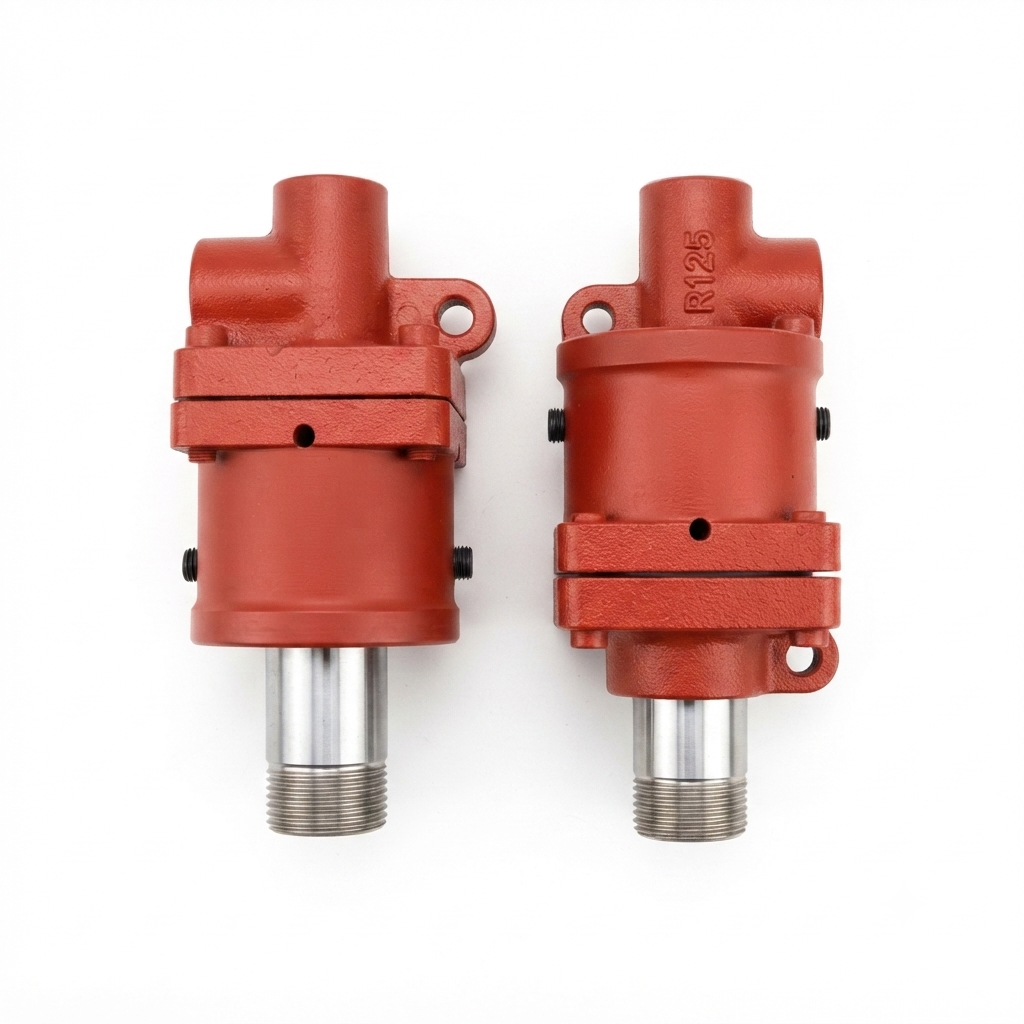
RTH Series — Rotary Union & Joint for Water/Coolant
Patented balanced-seal design for smooth media flow
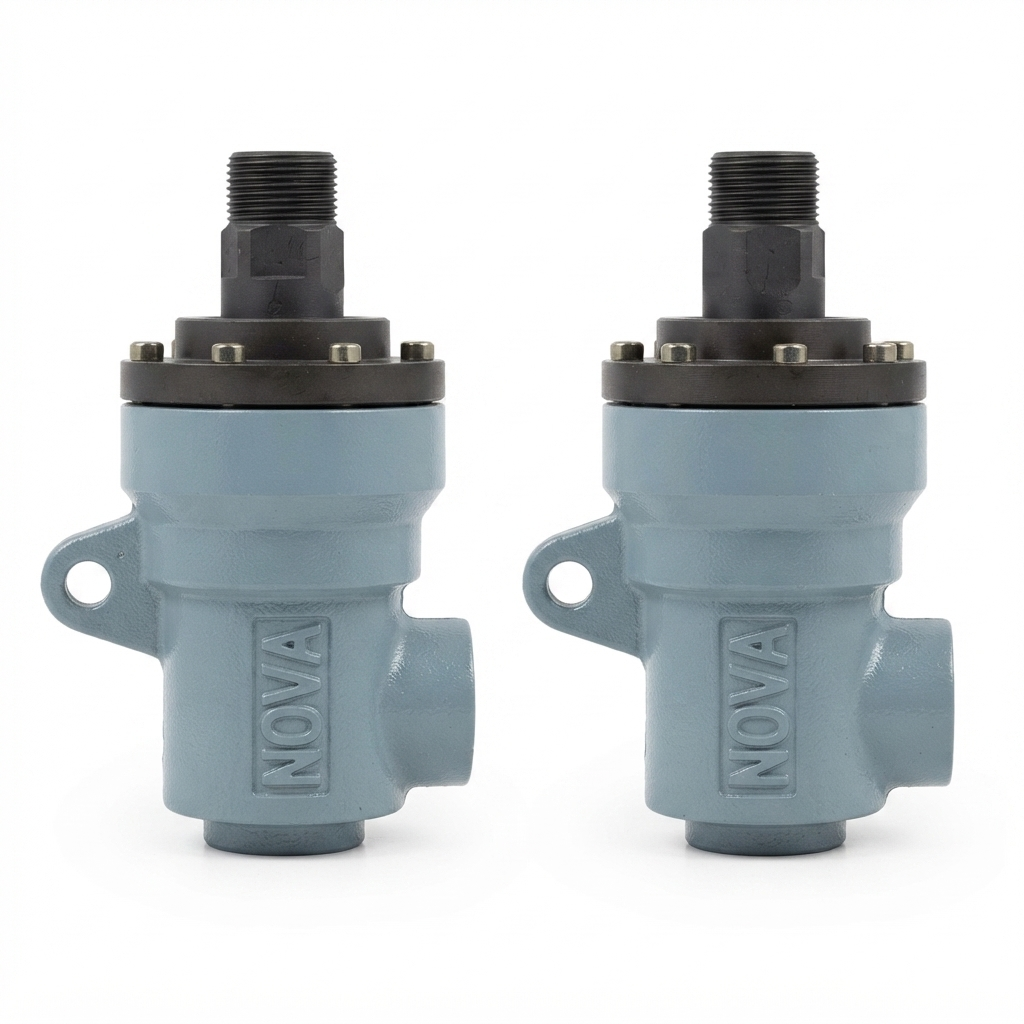
RTQ Series — Rotary Joint for Steam & Thermal Oil
Low-speed rotary joint for steam & thermal oil — dual-spherical graphite seal, 2.0 MPa / 350°C, 50–200 rpm. ISO 9001 quality, 60–80% below Western brands.
Related Articles
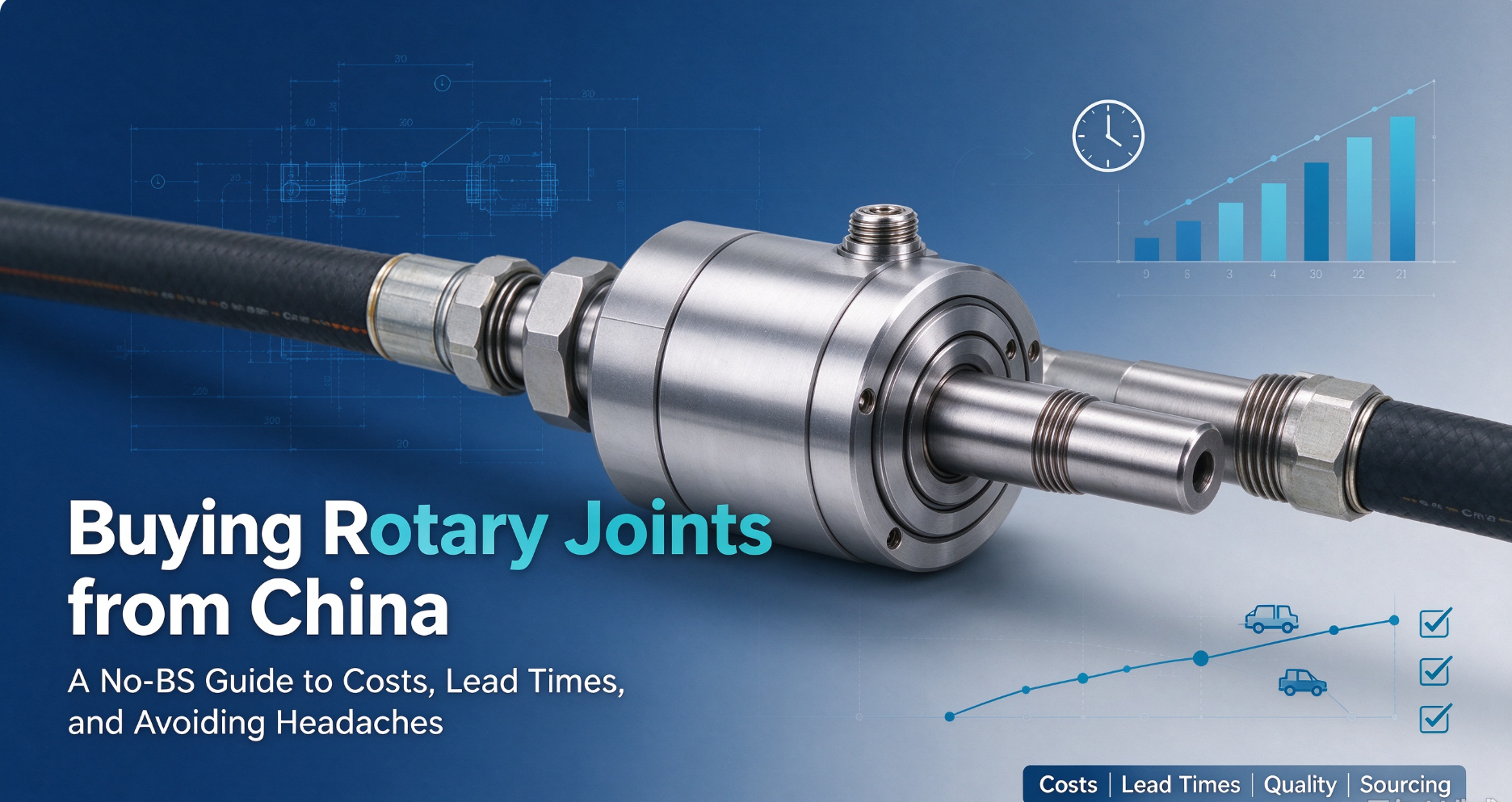
Buying Rotary Joints from China: A No-BS Guide to Costs, Lead Times, and Avoiding Headaches
Worried about hidden fees, long lead times, or poor support when buying rotary joints from China? Read Frank Cao's no-BS guide on costs, 15-day delivery, and reliable 1:1 replacements.
5 min read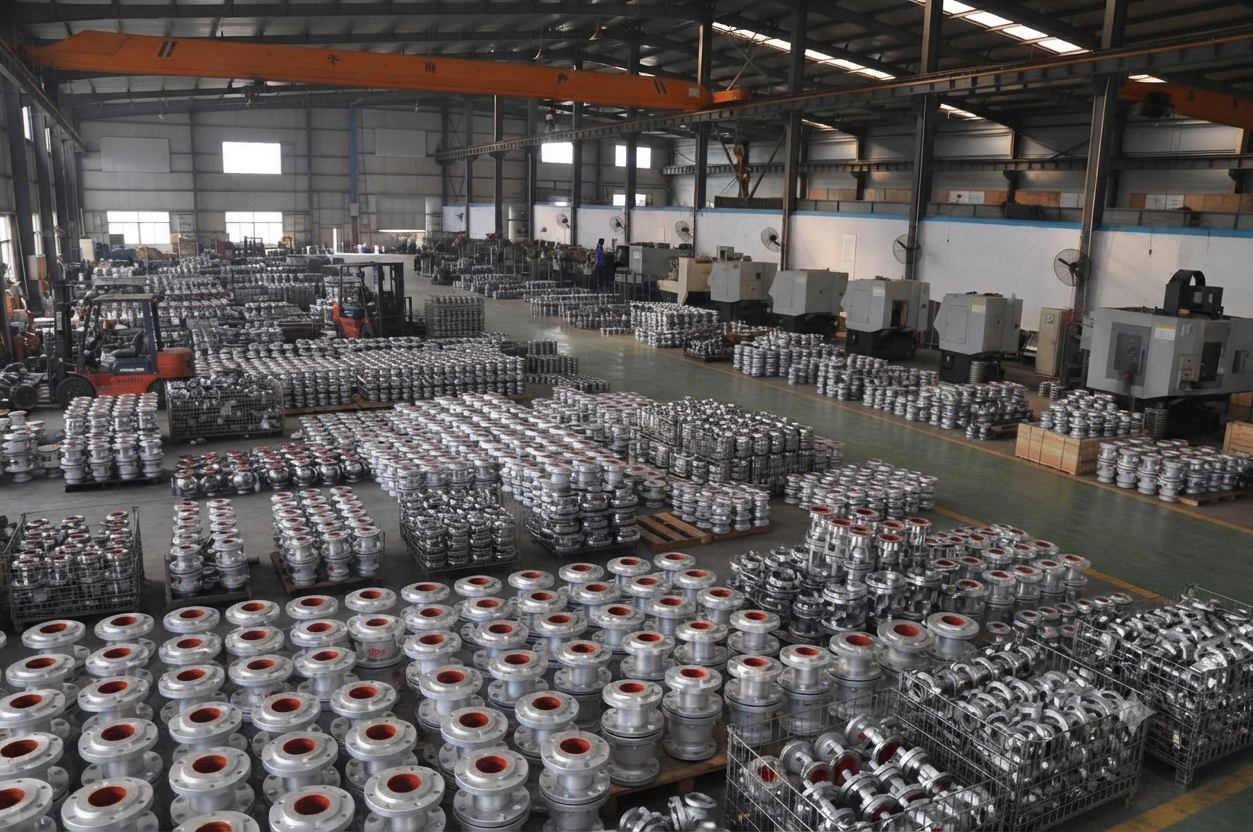
How to Choose the Right Rotary Joint: A Complete Selection Guide
Choosing the wrong rotary joint leads to leaks, downtime, and costly replacements. This guide walks you through the 6 critical factors — media, pressure, temperature, speed, material, and connection — to match the perfect rotary union or coupling to your application.
8 min read Types of Rotary Joints: A Complete Guide to Designs and Configurations
All types of rotary joints explained — classified by flow path, connection, seal design and duty class. Covers high pressure rotary joints, high speed rotary unions, through bore, multi passage, miniature and stainless steel types, with a type-to-series mapping table.
9 min readSend Us Your Drawing or Duty Conditions
Tell us the medium, temperature, pressure, speed and connection size. Our engineers reply with a selection or a custom proposal — usually within one working day.