

Buying Rotary Joints from China: A No-BS Guide to Costs, Lead Times, and Avoiding Headaches
Hey there, I’m Frank Cao. I run a rotary joint manufacturing company here in China.
Over the years, I’ve talked to hundreds of plant managers, maintenance leads, and mechanical distributors from all over the world—from Southeast Asia to Europe and the Americas. Whenever we get on a call or exchange emails, I can always sense that little bit of hesitation in their tone.
They usually think: “Sure, the price looks great, but what’s the catch? Will shipping cost a fortune? What if it breaks down in three months? And how on earth do I actually get the thing to my factory floor without losing my mind?”
Look, I get it. Importing industrial parts from halfway across the world can feel like a gamble. So today, let’s drop the corporate talk and talk shop like real engineers and business owners. Let’s tackle the top fears of buying rotary joints directly from China—and how we actually handle them.
1. “Is the total cost actually going to blow up with hidden fees?”
The biggest fear? You get a nice cheap FOB price, but by the time the goods hit your dock, customs, port fees, and freight have eaten up all your savings.
How we fix it: We hate surprises as much as you do. When we quote you, we don’t just throw a number and run. We help you calculate the exact gross weight, packing dimensions, and work with trusted forwarders to give you clear shipping options (Air Express for urgent shutdowns, Sea Freight for regular stock). No hidden paperwork fees, no sudden port charges. You know your landed cost before you sign anything.
2. “What does the actual buying process look like? Is it a black hole?”
People worry about sending money to a country thousands of miles away and then hearing crickets.
Our process is dead simple:
- Step 1: Send us your specs or photos. Don’t worry if you don’t have a formal CAD drawing. A clear photo with size markers (like that 40A water joint or a CNC coolant union) is usually enough for our engineering team.
- Step 2: Transparent confirmation. We confirm thread directions (Left-hand vs. Right-hand), media, pressure, and speed within 24 hours.
- Step 3: Production & Tracking. Once ordered, we keep you updated. No ghosting. Before shipping, we send real inspection photos and packing lists. Plus, we handle official export documents like Form E so you save on local tariffs.
3. “What about lead times and urgent breakdowns?”
“If my machine breaks down today, waiting 8 weeks for shipping means I’m bleeding money every single day.”
Our reality: We aren’t a massive trading company sitting on a couch; we build these things. For standard water joints and popular CNC unions, our standard production lead time is locked at around 15 working days. For urgent factory shutdowns, we can often pull strings and expedite. We use air shipping when time is money.
4. “What happens if something goes wrong? (The After-Sales Fear)”
“If it leaks after installation, am I stuck with a paperweight?”
My promise is simple: We back our engineering. Every rotary joint we ship—whether it’s a 1:1 replacement for legacy Sunshine models or a high-speed 105 bar CNC union—is pressure-tested before leaving the factory. If there’s ever a manufacturing defect, we don’t argue; we replace it or fix it immediately. Full 12-month warranty, no runaround.
The Bottom Line: Importing shouldn’t be stressful. You don’t need to overpay brand premiums to get top-tier performance. If you’ve got a drawing, a photo, or an old leaky joint lying around your shop floor, shoot it over to me. Let’s talk.
Related Articles
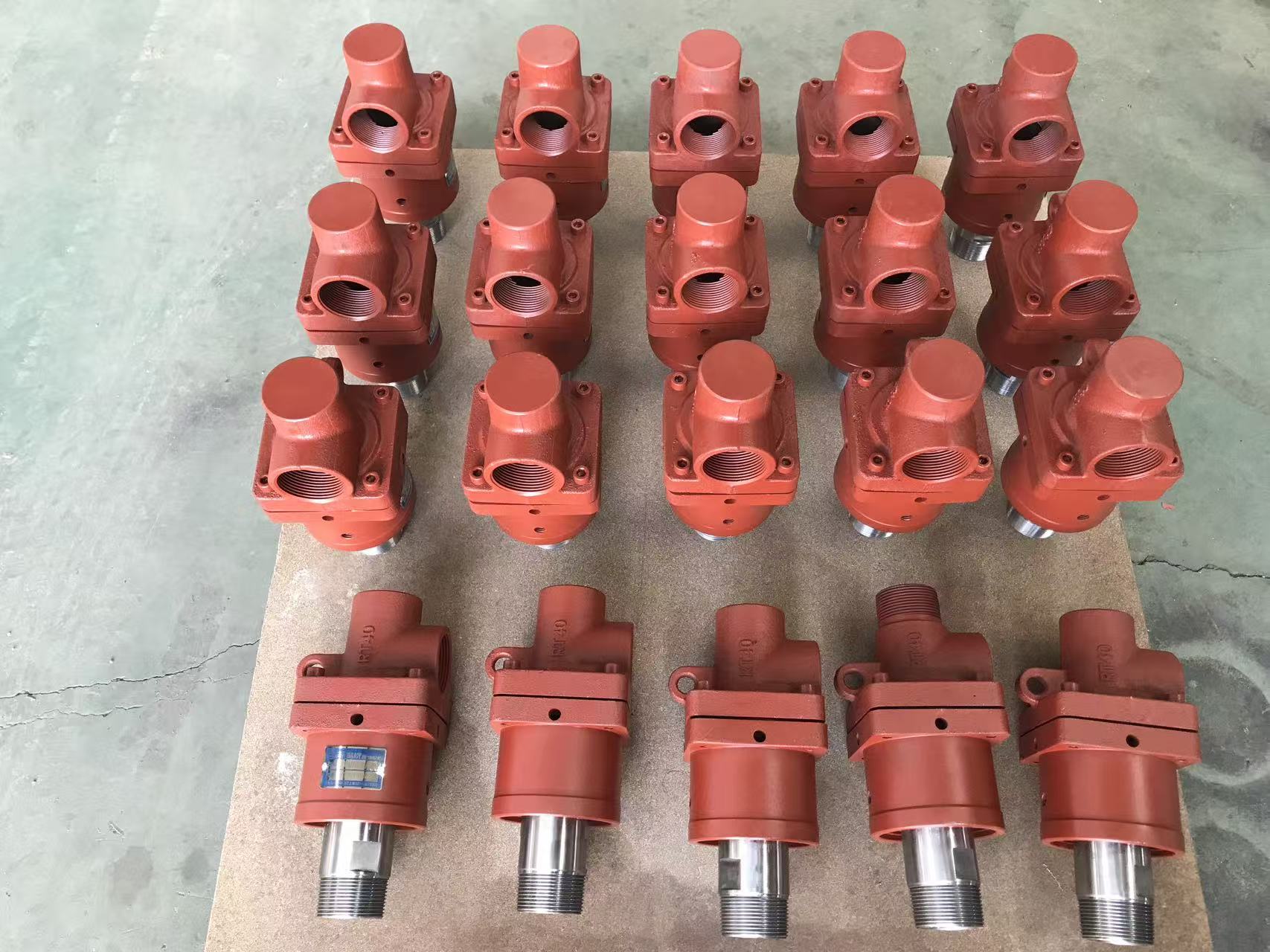
XCMG Authorized Rotary Joint for Water in Vietnam: High-Performance Sealing Solutions for Local Industries
Oct 9, 2026
(1).png)
A Proud Milestone for Ruitus: Officially Authorized Manufacturer & Strategic Partner of XCMG!
Oct 8, 2026
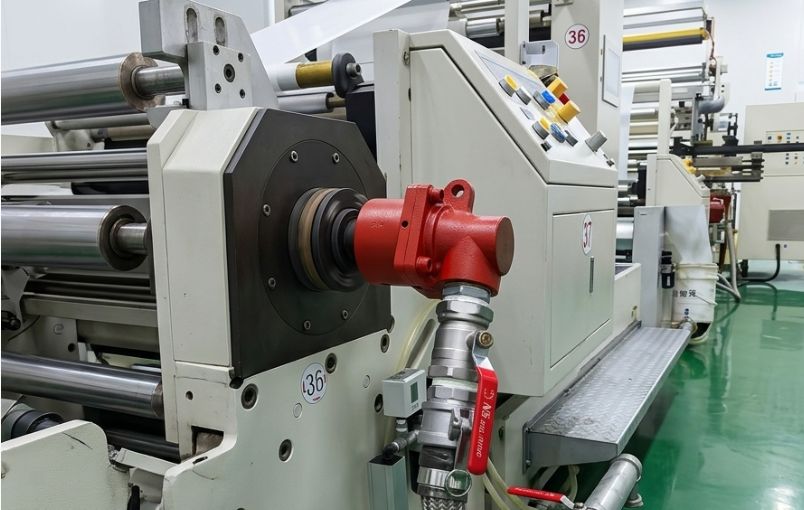
Mastering Rotary Joints for Water: Engineering Realities, Common Pitfalls, and How Ruitus Solves Them
Oct 6, 2026
Send Us Your Drawing or Duty Conditions
Tell us the medium, temperature, pressure, speed and connection size. Our engineers reply with a selection or a custom proposal — usually within one working day.