
Mastering Rotary Joints for Water: Engineering Realities, Common Pitfalls, and How Ruitus Solves Them
1. Inside a Water Rotary Joint: How It Actually Works
At its core, a water rotary joint bridges the gap between stationary supply piping and a spinning machine component. While the machinery rotates at high RPMs, the joint keeps the cooling or heating water securely contained.
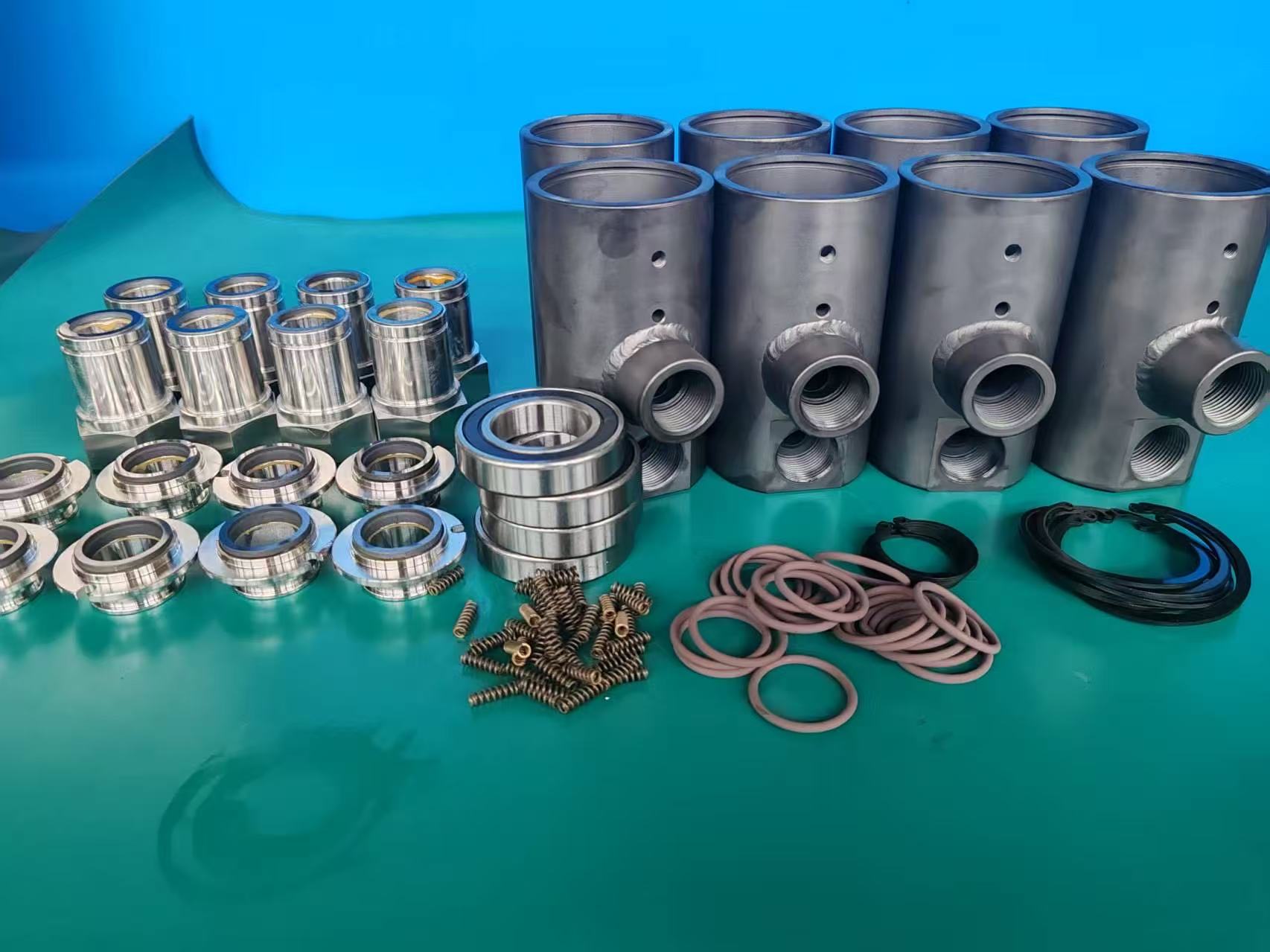
A standard build relies on four main areas:
- The Rotor: Bolted or threaded directly into the rotating drum, spinning in sync with your production line.
- The Housing: The stationary outer body anchored to your framework, hooking up to your flexible water hoses.
- The Mechanical Seal: The true make-or-break component. Because water offers relatively low natural lubricity compared to hydraulic oil, seal faces (typically pairing carbon graphite against silicon carbide) must handle thermal stress and varying water qualities without leaking.
- Precision Bearings: These keep the internal alignment tight, preventing excessive runout that would otherwise chew through the seals prematurely.
Depending on your thermal requirements, setups usually split into monoflow (single stream for through-flow cooling) and duoflow (using an internal siphon tube for precise temperature control on large rolls).
2. Why Water Joints Fail: Real-World Pain Points
Maintenance teams rarely call us when everything is running fine. When water joints break down prematurely, the culprit is usually one of four usual suspects:
- Mineral Buildup and Abrasion: Industrial water is rarely pristine. Hardness minerals and tiny suspended particles love to migrate right into the seal interface, turning your seal faces into sandpaper.
- Thermal Shock: Rapid temperature swings—common in molding or frequent startup-shutdown cycles—cause uneven thermal expansion between the metal housing and the seal rings, popping open microscopic leakage paths.
- Vibration and Misalignment: If your drive assembly has a bit of play or the piping creates side-load tension, high-speed runout will destroy even top-tier seals in a matter of weeks.
- Electrochemical Corrosion: Constant exposure to treated water or process additives eats away at sub-par internal metals, leading to pitted housings and clogged flow paths.
3. The Ruitus Engineering Approach
We built our water-service rotary joint lineup by looking straight at these common failures. Instead of recycling generic catalog designs, we focus on structural upgrades that matter on the shop floor:
- Optimized Internal Flow Paths: Computational fluid dynamics (CFD) guide our internal chamber layouts, minimizing pressure drop and eliminating stagnant pockets where debris can settle.
- Heavy-Duty Seal Face Selection: We pair high-purity silicon carbide with specialized carbon grades as a standard, giving you much higher resistance to abrasive water particles.
- Integrated Body Rigidity: Borrowing from our robust experience in heavy hydraulic and mobile machinery, our joints feature high-precision integral housings. This eliminates extra mating seams, ensuring superior concentricity and vastly better resistance to high-speed vibration.
- Custom Threading and Porting: Whether your plant runs on standard G-threads, NPT specs, or custom mounting configurations, we tailor the housing to drop right into your existing setup without adapter headaches.
Bottom Line
Water management shouldn’t be your plant’s bottleneck. Upgrading to a properly engineered, high-concentricity rotary joint cuts maintenance intervals and protects your production output.
Got a tricky water cooling application or tired of swapping out leaky joints every few months? Reach out to the Ruitus engineering team—we’re always ready to look at your drawings and help you spec a better solution.
Related Articles
Engineering Excellence in Action: How Ruitus Upgraded a Major Vietnamese Steel Mill’s Rotary Joint Solution
Oct 5, 2026
Kadant Johnson Rotary Joint Alternatives: A Practical Replacement Guide
Oct 5, 2026
Rotary Joint vs Rotary Union vs Rotary Coupling: What's the Difference?
Oct 5, 2026
Send Us Your Drawing or Duty Conditions
Tell us the medium, temperature, pressure, speed and connection size. Our engineers reply with a selection or a custom proposal — usually within one working day.