Rotary Joint for High-Speed Rail Drainage Systems
Waste discharge interface for high-speed trainset toilet and tank servicing
Overview
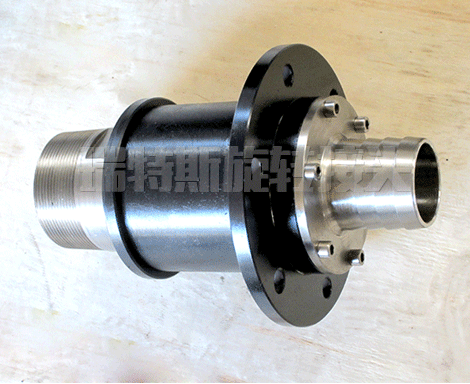
After each run, high-speed trainsets must have their toilet holding tanks and wastewater systems drained at platform drainage (blowdown) stations. The drainage coupling connects the station suction line to the train through a rotating joint that handles wastewater — often with aggressive chemistry — while the coupling arm articulates into position and retracts. Leak-tight sealing in this duty protects both staff and platform environments, and the joint must survive frequent coupling cycles and cleaning regimes. The Ruitus rotary joint for rail drainage is engineered against the drainage equipment manufacturer's suction, interface and cycle requirements, with sealing materials selected for wastewater compatibility. Share your equipment specification for a matched design.
Images & Dimension Drawings
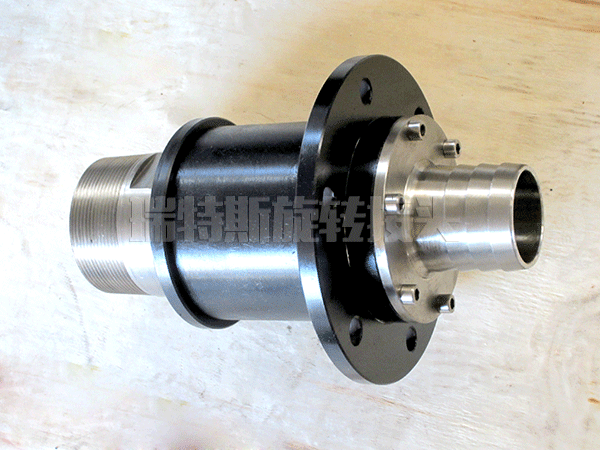
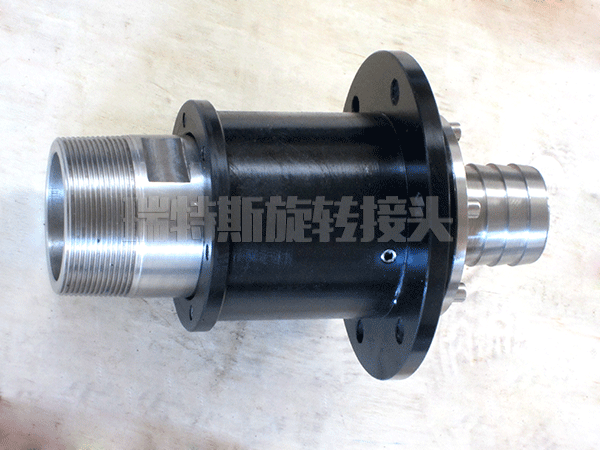
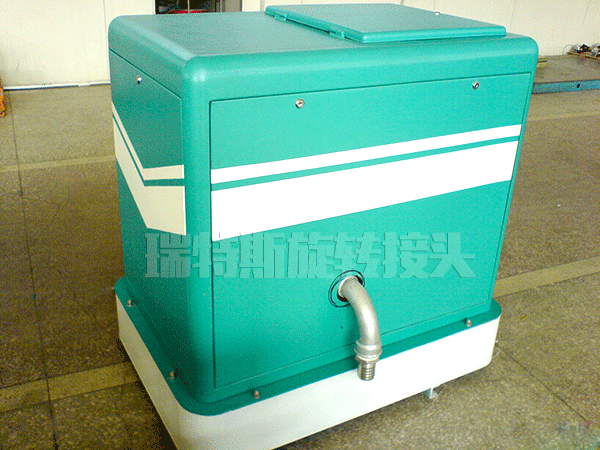
Key Features
- Leak-tight sealing for wastewater and blowdown duty
- Survives frequent coupling and retraction cycles
- Sealing materials selected for wastewater compatibility
- Engineered against drainage equipment manufacturer requirements
Typical Applications
Operating Conditions
| Media | Wastewater / toilet holding tank discharge |
|---|---|
| Notes | Engineered per drainage equipment suction, interface and cycle requirements; sealing materials selected for wastewater compatibility. Detailed parameters available on request. |
Frequently Asked Questions
1 What does a rail train drainage rotary joint do?
2 Can you match our existing train drainage connector?
Related Products
RTO Rotary Joint for CFB Boiler Slag Cooling Systems
Purpose-built for high-pressure condensate cooling in large CFB units
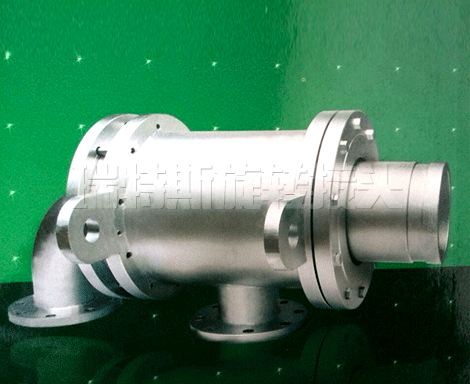
RTQ-XF Large-Bore Rotary Joint for Drum Drying Equipment
Dual-spherical, multi-spring seal for high-efficiency drying lines
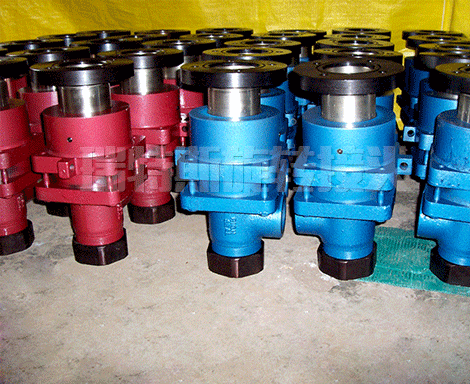
Rotary Joints for Building Material Calenders
Chain-drive and universal-joint drive solutions, with integrated power transmission
Send Us Your Drawing or Duty Conditions
Tell us the medium, temperature, pressure, speed and connection size. Our engineers reply with a selection or a custom proposal — usually within one working day.