
Rotary Joint for 3D Glass Polishing & Engraving
Corrosion- and abrasion-resistant design for polishing slurry service
Overview
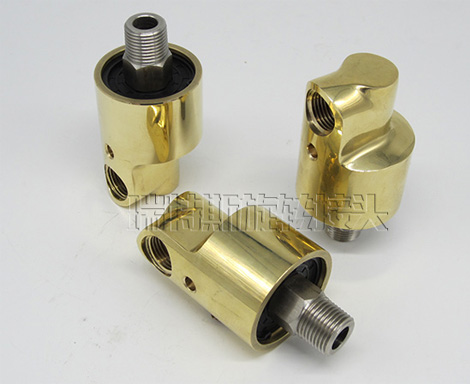
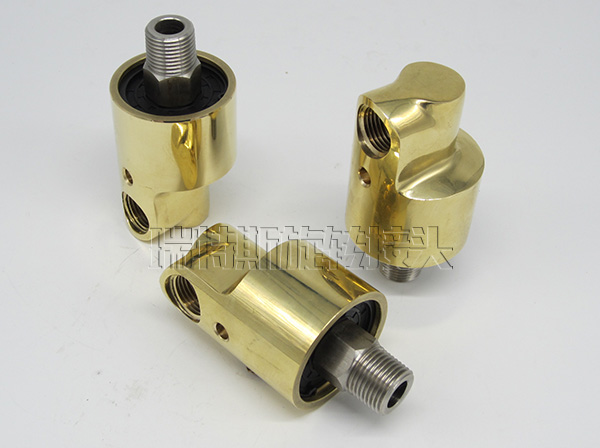
3D glass screen polishing and engraving machines circulate polishing slurry — a liquid that is both chemically corrosive and mechanically abrasive — through rotating spindles and tool holders. Standard rotary joints wear quickly against this media. The Ruitus joint for glass polishing machines was developed specifically against polishing slurry duty: material selection and structural design receive special improvements to resist slurry corrosion and abrasion, so sealing life and spindle runout stay controlled through production. The joint suits polishing and engraving equipment for 3D cover glass, phone screens and similar display glass processing. Ruitus can match the joint to your machine spindle interface — provide the equipment details.
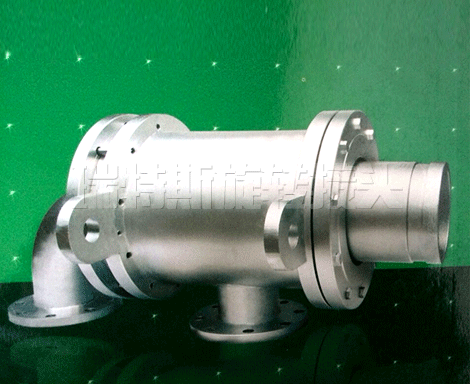
Images & Dimension Drawings
Key Features
- Developed specifically against polishing slurry corrosion and abrasion
- Special material selection and structural design improvements
- Controls sealing life and spindle runout in production
- Suits 3D cover glass and display glass polishing equipment
Typical Applications
Operating Conditions
| Media | Polishing slurry (chemically corrosive, mechanically abrasive) |
|---|---|
| Notes | Material selection and structural design specially improved for slurry duty. Joint matched to machine spindle interface. Detailed parameters available on request. |
Frequently Asked Questions
1 What is a glass polishing rotary joint?
2 How do I choose a polishing joint for my glass machine?
Related Products
RTO Rotary Joint for CFB Boiler Slag Cooling Systems
Purpose-built for high-pressure condensate cooling in large CFB units
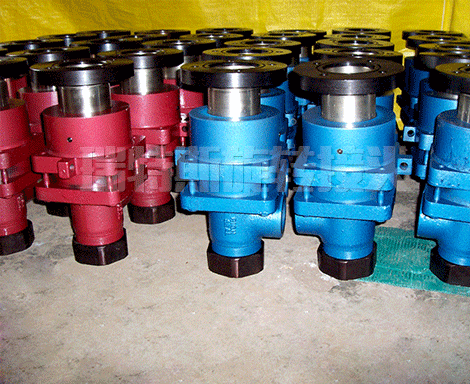
RTQ-XF Large-Bore Rotary Joint for Drum Drying Equipment
Dual-spherical, multi-spring seal for high-efficiency drying lines
Rotary Joints for Building Material Calenders
Chain-drive and universal-joint drive solutions, with integrated power transmission
Send Us Your Drawing or Duty Conditions
Tell us the medium, temperature, pressure, speed and connection size. Our engineers reply with a selection or a custom proposal — usually within one working day.