Rotary Joint for Aluminum Strip Cast-Rolling Mills
Roll cooling media across the cast-rolling mill interface
Overview
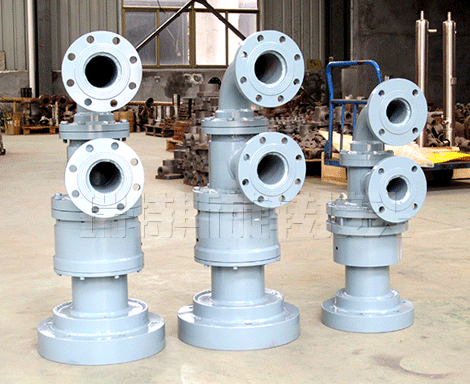
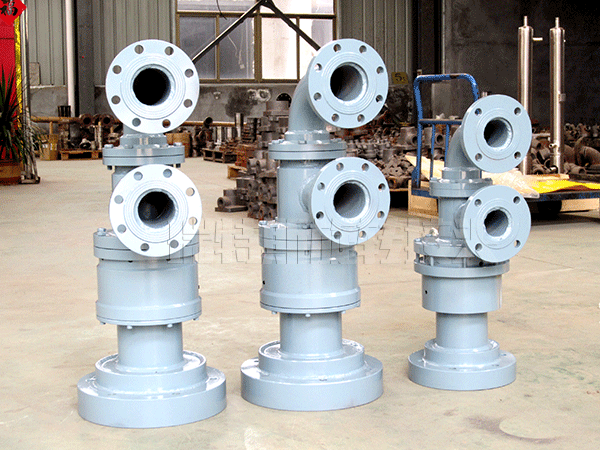
Aluminum strip cast-rolling mills solidify molten aluminum and roll it into strip in a single step — twin rolls spinning in sync while cooling media must reach the roll interiors across a rotating interface. A standard rotary joint cannot simply be dropped into this duty: roll cooling circuits, mill speed and roll barrel geometry all shape the joint design. Ruitus supplies cast-rolling mill rotary joints as mill-specific engineering products — the sealing, bore and connection layout are matched to your mill configuration and cooling scheme. Share your mill model and cooling medium details during enquiry, and we will confirm the full parameter set (pressure, temperature, speed and bore sizes) before production.
Images & Dimension Drawings
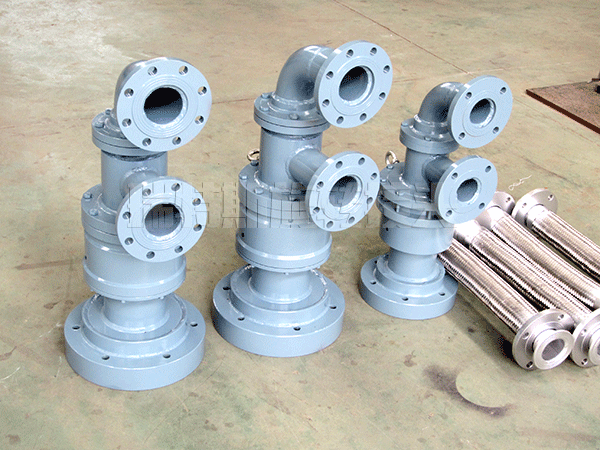
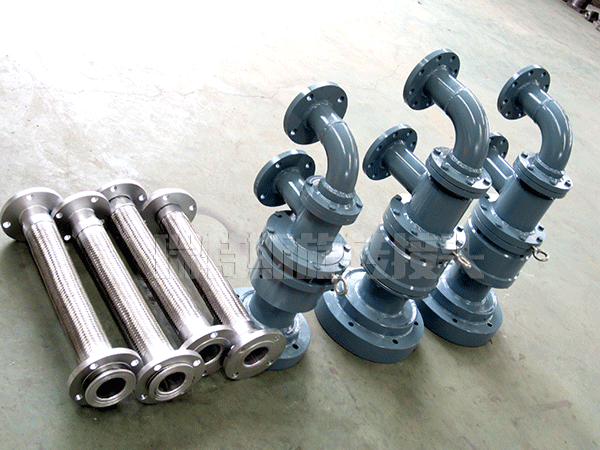
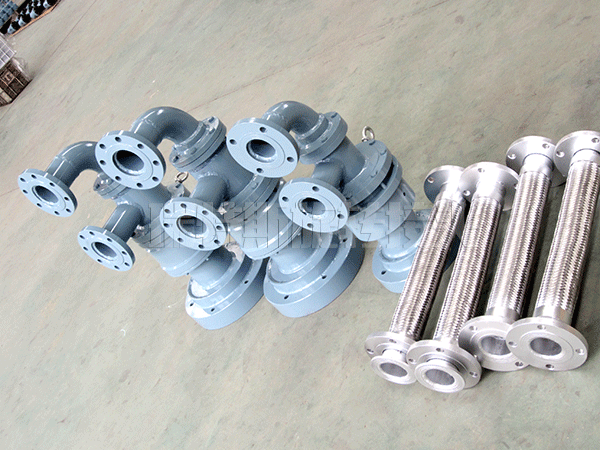
Key Features
- Engineered for twin-roll cast-rolling mill cooling duty
- Sealing, bore and connections matched to your mill configuration
- Custom product — no off-the-shelf part numbers
- Full parameter set confirmed before production
Typical Applications
Operating Conditions
| Media | Roll cooling media (per mill cooling scheme) |
|---|---|
| Notes | Mill-specific parameters (pressure, temperature, speed, bore sizes) are confirmed against your equipment during engineering — contact us with your mill model and cooling medium data |
Frequently Asked Questions
1 What does a rotary joint do on an aluminum strip cast-rolling mill?
2 How do we size one for our mill?
Related Products
RTO Rotary Joint for CFB Boiler Slag Cooling Systems
Purpose-built for high-pressure condensate cooling in large CFB units
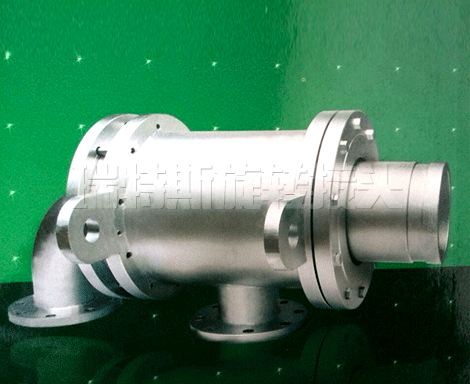
RTQ-XF Large-Bore Rotary Joint for Drum Drying Equipment
Dual-spherical, multi-spring seal for high-efficiency drying lines
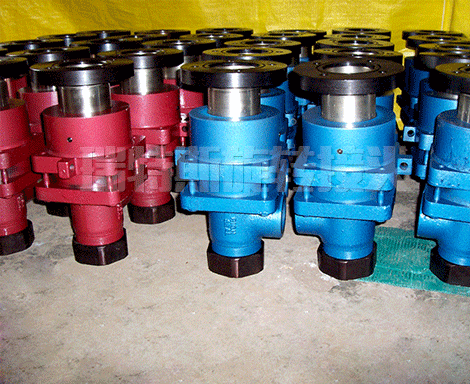
Rotary Joints for Building Material Calenders
Chain-drive and universal-joint drive solutions, with integrated power transmission
Send Us Your Drawing or Duty Conditions
Tell us the medium, temperature, pressure, speed and connection size. Our engineers reply with a selection or a custom proposal — usually within one working day.