

What Are the Exact Dimensional Parameters Needed to Cross-Reference a Deublin Model Code with a Custom Rotary Joint Manufacturer?
I am Frank Cao, and in corrugated board plants I regularly see maintenance teams lose half a day on a weekend shutdown because a replacement joint came in with the right outer body length but the wrong thread hand or syphon depth. A DUEBLIN Rotary Joint model code gives a helpful starting point, yet it rarely tells the whole story on its own when an OEM built a custom variation for a specific corrugator roll. Whether you are keeping a single facer running or preparing spare assemblies for a double backer, cross-referencing a model code with a custom manufacturer requires checking real physical measurements alongside operating conditions. Compatibility always depends on technical verification of the specific part, drawing, and machine duty rather than assuming any unit matches by brand or series name.
Why a Model Code Alone Is Not Enough on a Corrugator
Corrugators put rotating joints through steady heat and repeated pressure shifts across preheaters, single facers, corrugating rolls, and double backer sections. On a line running steam in the range of roughly 7 bar on older equipment up to around 16 bar on newer high-speed lines, small changes in steam supply pressure or condensate drainage quickly affect roll surface temperature and board bonding.
Even when two rotary unions share a familiar housing look, OEMs frequently specify custom shaft extensions, special flange bolt patterns, or non-standard seal materials for particular machine builds. Checking the physical dimensions from the machine or drawing prevents a joint from bottoming out against a roll journal, fouling a guard, or binding a syphon pipe during assembly.
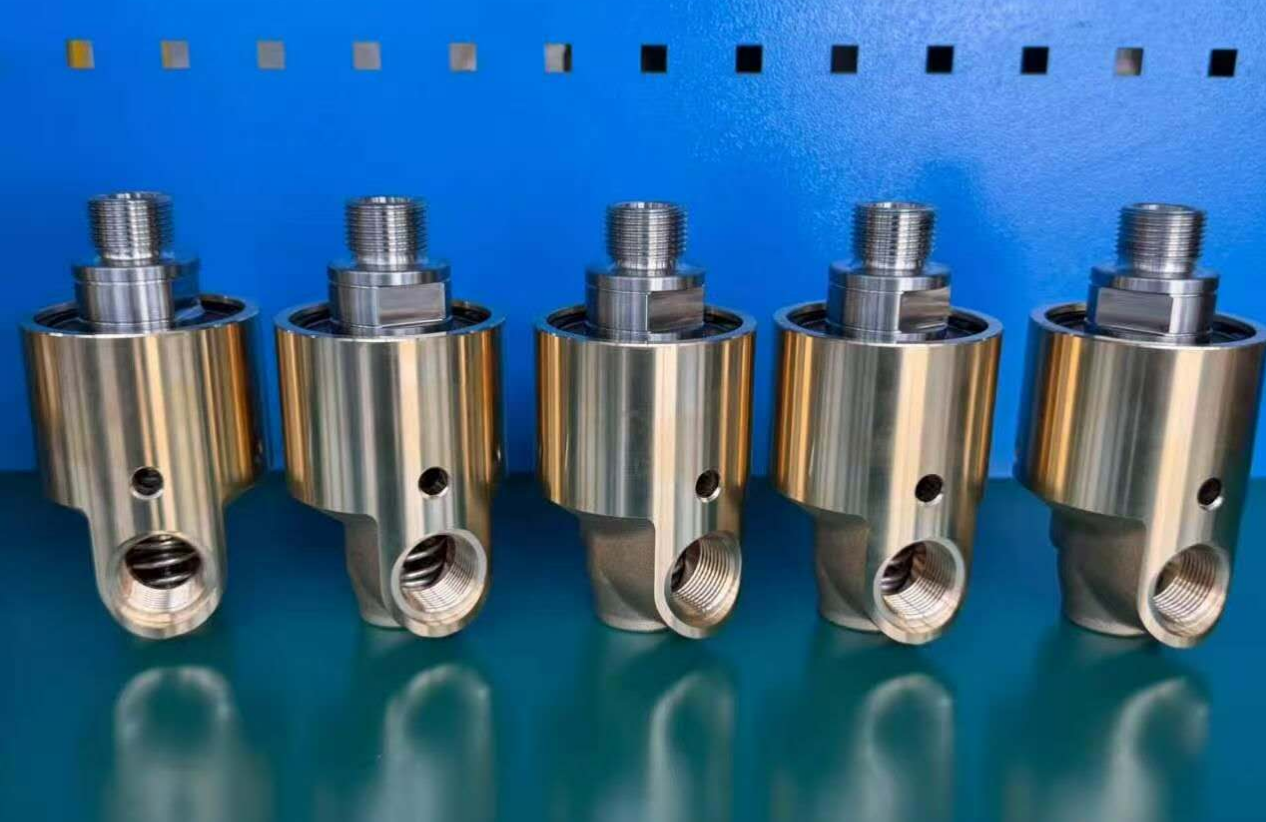
Rotor Connection, Thread Direction, and Projection Length
The rotor is the rotating shaft or flange that ties the rotary joint to the roll or drum. Start your measurement check right here.
If the unit uses a threaded rotor, verify the thread standard (such as NPT, BSPP/G, BSPT, or metric), nominal size, and whether the thread is right-hand or left-hand. Thread hand matters because shaft rotation can work a poorly matched thread loose if the direction is overlooked. If the unit uses a flange or quick-disconnect connection, measure the flange outer diameter, bolt circle diameter, bolt hole count and size, and any pilot spigot diameter and register depth.
Also measure the rotor projection or stick-out length from the sealing or mounting face to the rotor end. Tight bearing housings and drive guards on corrugator rolls leave very little extra room if a replacement extends further than expected.
Housing Envelope, Port Orientation, and Torque Restraint
The stationary housing brings steam or cooling/heating fluid in and carries condensate or return flow out. Measure the housing outer diameter and overall length, and check any pilot or mounting boss that locates the body.
Record the exact sizes and thread types of the supply and return ports, along with their orientation. On a corrugator roll or preheater, a port angle or radial offset that is rotated or spaced differently can force awkward hose bends. Remember that flexible steam and condensate hoses need proper slack and drape so they do not hard-pipe the joint and introduce side loads that shorten seal life.
If the joint uses a torque arm, anti-rotation pin, or lug to keep the housing from spinning, measure the slot or pin size and the distance from the center axis to the restraint point.
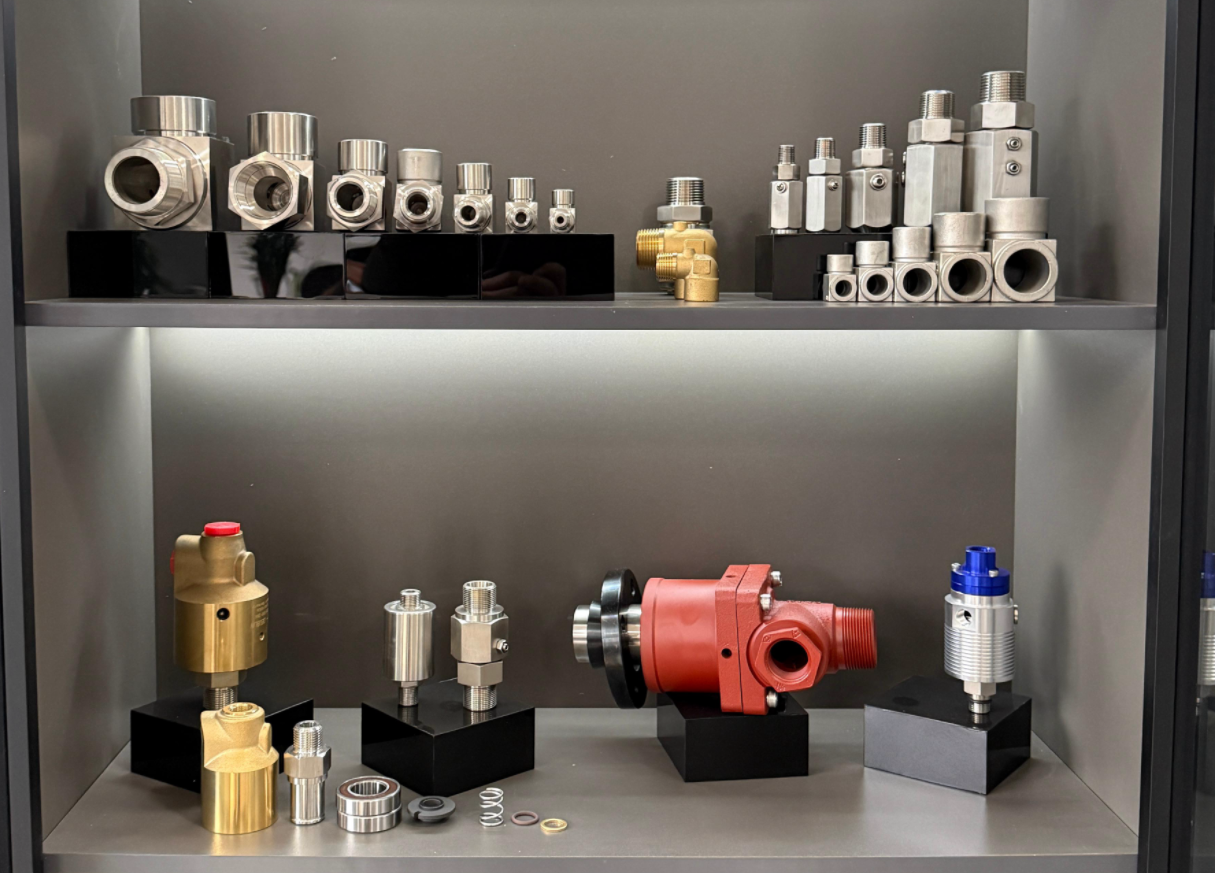
Syphon Pipe Dimensions and Condensate Drainage
Many heated rolls and cylinders on a corrugator rely on a syphon arrangement to clear condensate while steam enters the roll. As roll speed changes, condensate inside a rotating cylinder shifts from the bottom toward the rising wall under centrifugal force, which makes proper syphon geometry essential for steady heat transfer.
When cross-referencing a dual-flow or syphon-type rotary joint, note:
- The inner or syphon pipe outer diameter and wall thickness.
- How the pipe attaches inside the rotary joint (threaded connection, support bushing, or internal guide).
- The total insertion length extending beyond the rotor into the roll or drum.
If a syphon pipe is too long, too short, or poorly supported, condensate can pool inside the roll, causing uneven roll temperatures, warpage issues on the board, or extra thermal stress on the rotary joint.
Steam Pressure, Temperature, Speed, and Seal Duty
Two joints with similar outside dimensions can behave very differently inside if the seal faces and bearing materials do not match the actual operating duty. Share your real operating steam pressure, roll temperature, and maximum roll RPM based on your highest line speed.
Mention whether the machine experiences frequent starts and stops, pressure swings during grade changes, or dry running conditions. Seal face wear, scoring, and bearing degradation often trace back to heat, condensate quality, or misalignment rather than a single dimension.
How We Cross-Reference and Customize at Ruitus
At Ruitus, we work with maintenance engineers and buyers who need practical replacements and custom rotary joints built to drawings, samples, or verified specifications without long OEM wait times. Once you share the DUEBLIN Rotary Joint code alongside your key measurements and operating conditions, our team checks the fit and prepares a general arrangement drawing for confirmation before machining starts.
When a standard catalog part does not match an older corrugator roll or a modified manifold, custom manufacturing lets us tailor the connection, dimensions, and delivery schedule to your actual setup. You can send your measurements, photos, or sample details throughRuitus custom rotary jointsto get a technical check and quotation.
Suggested Internal Links
- Ruitus Custom Rotary Joints— for drawing-based and non-standard rotary joint manufacturing
- Ruitus Rotary Union Products— for industrial rotary joint options and technical inquiries
- Ruitus Corrugated Board & Industrial Applications— for fluid transfer solutions in corrugating and converting lines
Image Placement and ALT Text Recommendations
- After “Rotor Connection, Thread Direction, and Projection Length”: Place a clear side-view and end-view sketch showing rotor thread/flange dimensions, pilot diameter, and projection length.
ALT text:
DUEBLIN Rotary Joint rotor thread and flange dimensions for cross-reference - After “Syphon Pipe Dimensions and Condensate Drainage”: Place a cross-sectional diagram showing steam supply, syphon pipe clearance, and housing port positions on a rotating roll.
ALT text:
Rotary joint housing and syphon pipe dimensions for corrugator roll
FAQ Section
Can I replace a DUEBLIN Rotary Joint using only the model number on the nameplate?
A model number helps identify the likely series and configuration, but you should still verify rotor thread hand or flange dimensions, syphon length, housing clearance, and actual steam pressure, temperature, and RPM before ordering a replacement.
What should I measure if the nameplate on the old joint is worn or missing?
Measure the rotor connection size and thread direction (or bolt pattern and pilot), housing outer diameter and length, port sizes and positions, torque restraint dimensions, and syphon tube size and length, then pair those numbers with your operating pressure, temperature, and speed.
Why does syphon length matter on corrugator rolls and preheaters?
Proper syphon positioning helps remove condensate reliably so roll surface temperatures stay uniform and thermal stress on the joint remains controlled across operating speeds.
Related Articles
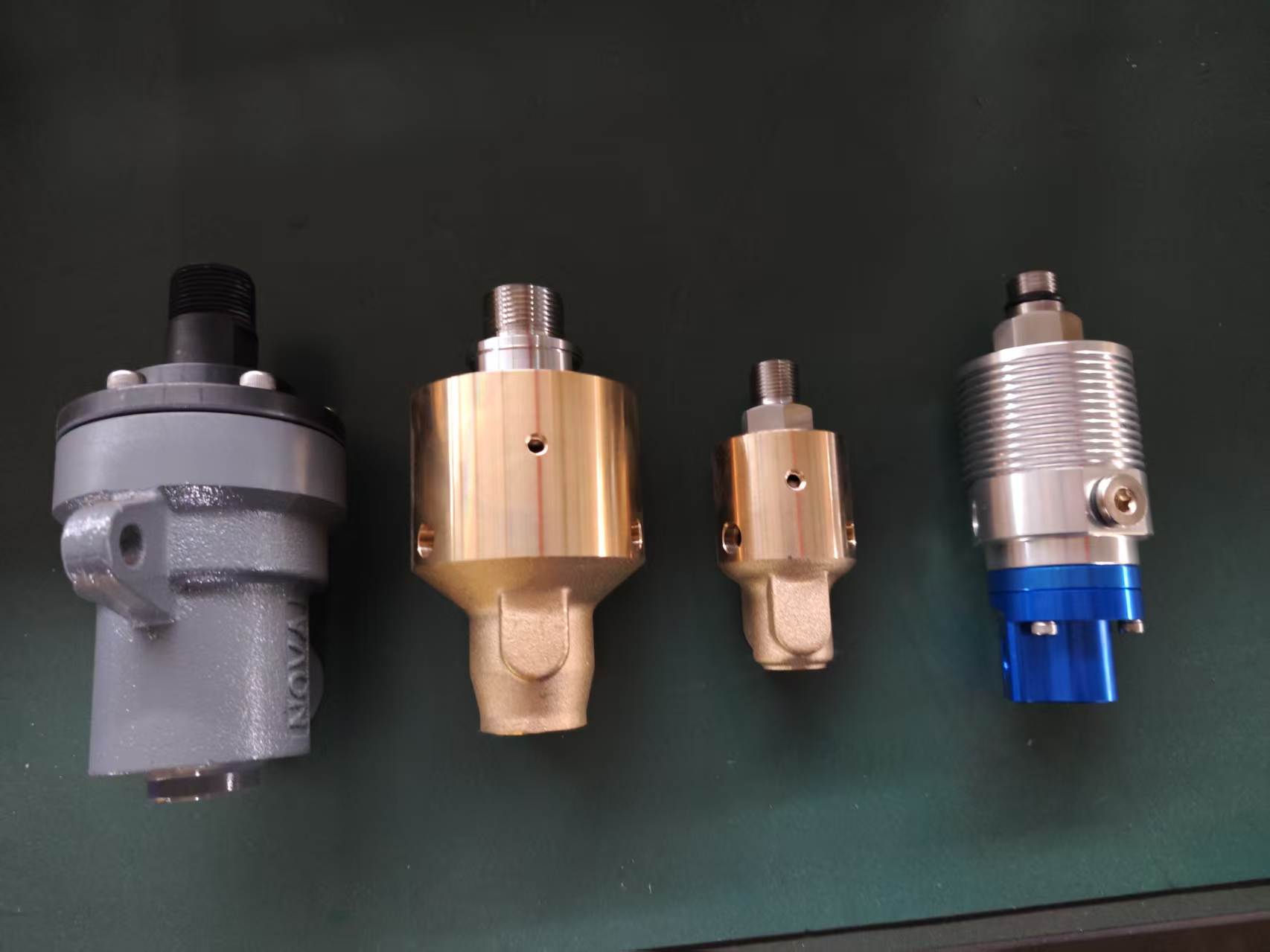
How to Select the Right Rotary Joint: A Practical Guide to Pressure, RPM, Media, and Temperature
Nov 20, 2026
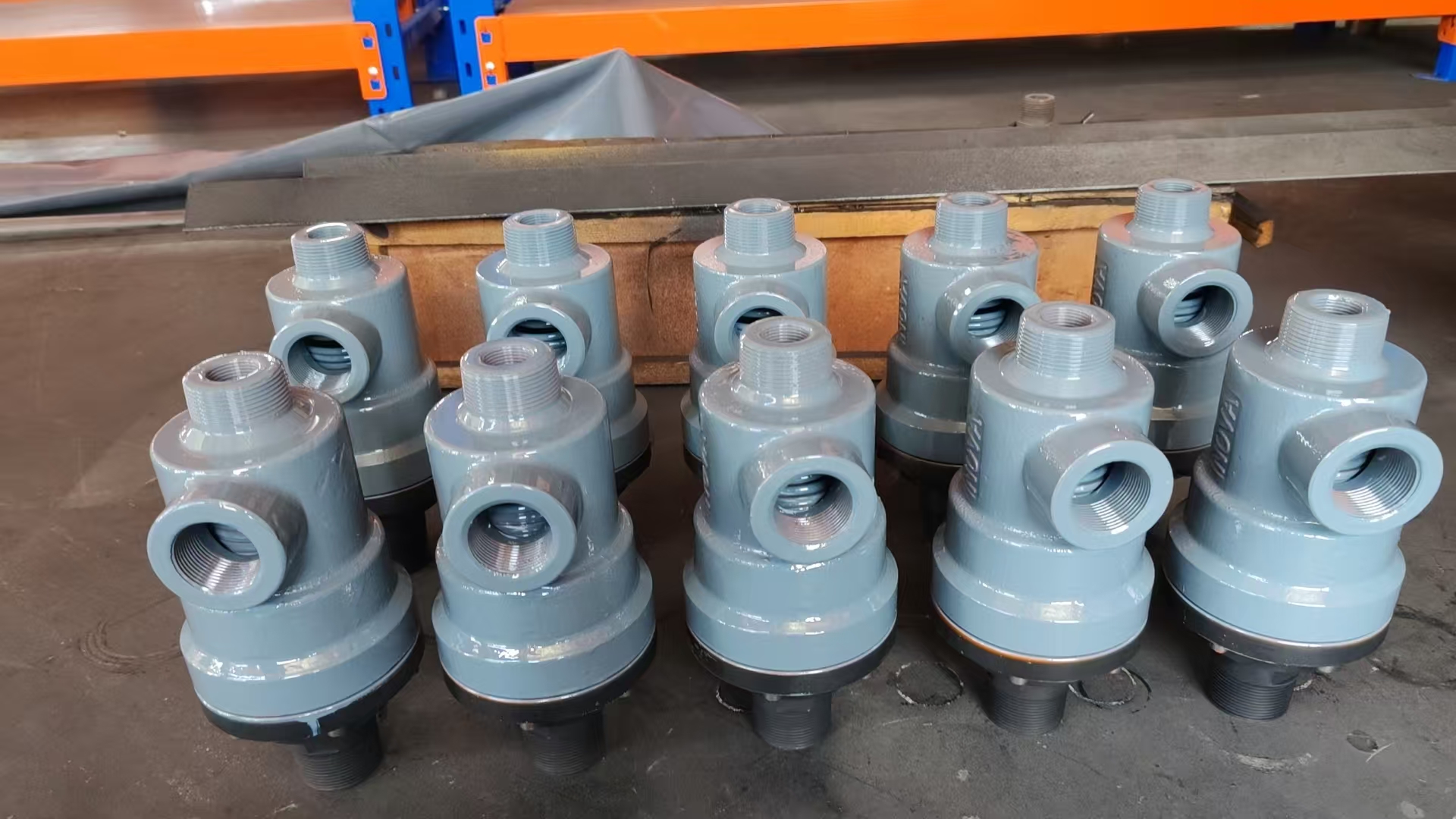
Rotary Union for Steam: Real Operating Specs, GA Drawings, and Shop-Floor Notes
Nov 20, 2026

How Do We Choose Sealing Materials for Rotary Unions? Why "It Depends" Is the Most Honest Answer
Nov 18, 2026
Send Us Your Drawing or Duty Conditions
Tell us the medium, temperature, pressure, speed and connection size. Our engineers reply with a selection or a custom proposal — usually within one working day.