How High-Performance Rotary Joints Optimize Corrugated Board Manufacturing
Introduction: The Thermal Demand of Corrugated Board Production
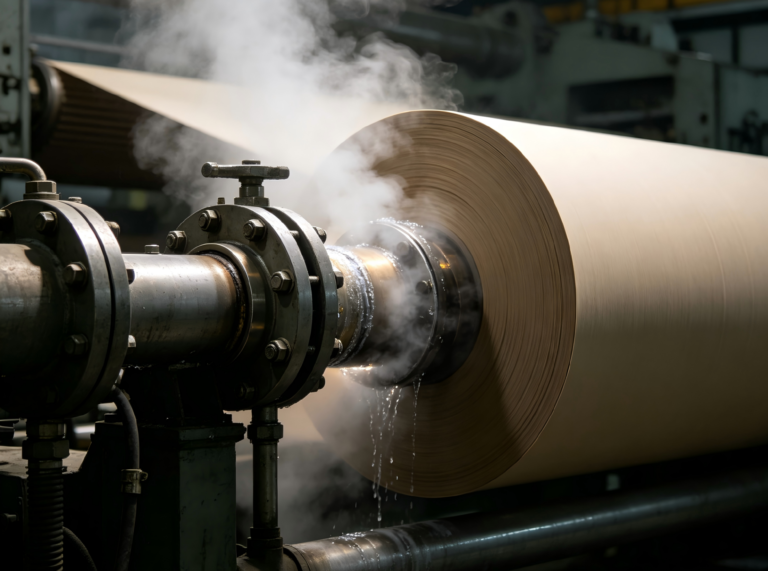
The corrugated board manufacturing process relies heavily on rapid, uniform heat transfer. Corrugator single facers and multi-ply dryer sections operate under intense thermal and mechanical pressures, running continuous 24/7 cycles. Maintaining precise temperature control across heavy rotating rolls is critical to ensuring proper starch gelation, high bonding strength, and flat, warp-free board production.
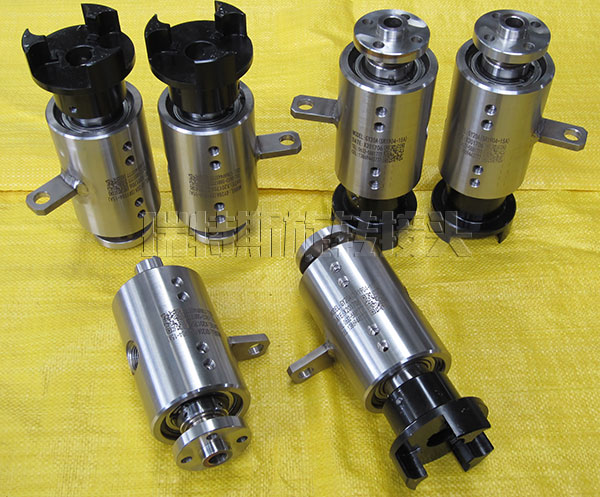
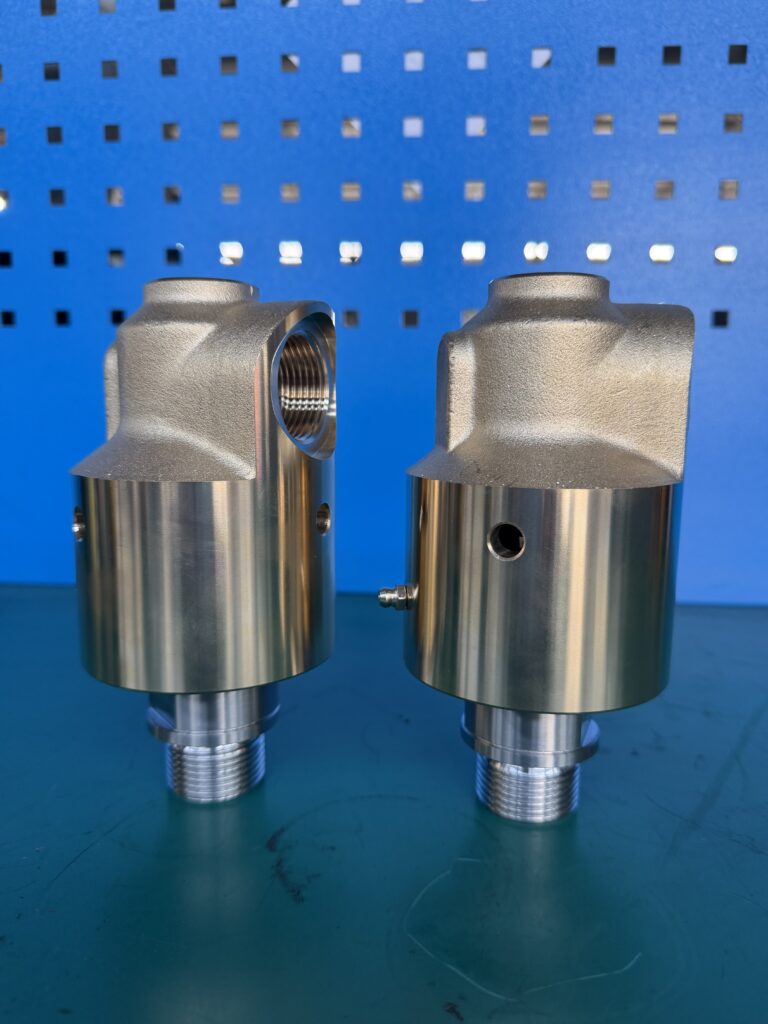
At the core of this steam-heating system is a vital link: the high-performance steam rotary joint for paper machine and corrugating applications. Selecting equipment engineered for rigorous dual-flow operation prevents costly steam leakage, uneven surface temperatures, and premature component failure.
1. Dual-Flow Systems and Internal Syphon Integration
Efficient condensate evacuation is the single most important factor in preventing a thermal bottleneck on high-speed corrugator rolls.
-
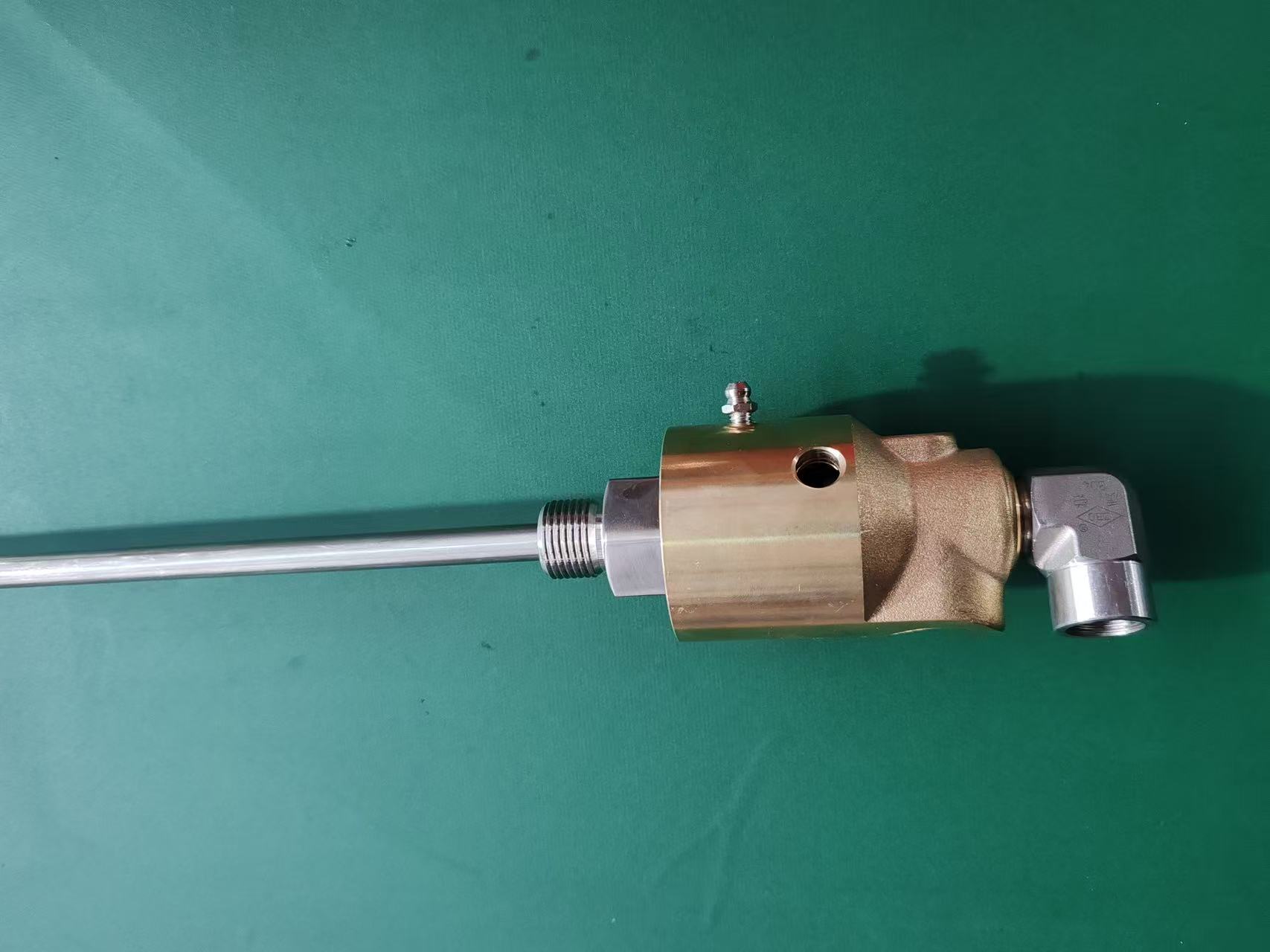
Dual-Flow Configuration: Unlike basic single-flow designs, dual-flow systems separate the incoming heating steam from the outgoing condensate via an internal arrangement.
-
Syphon and Bend Assemblies: Integrating a precision-engineered internal syphon, bend, and plug ensures that condensate is completely and continuously removed from the roll floor without pooling.
-
Thermal Consistency: Eliminating the internal condensate layer prevents localized cold spots on the roll face, resulting in uniform glue setting and superior corrugated board quality.
2. Corrosion Resistance with Stainless Steel Materials
Corrugating environments are subjected to high moisture levels, aggressive water chemistries, and high-temperature steam, which can quickly degrade standard carbon steel components.
-
Material Selection: Upgrading internal and external wetted components to S.S. 304 or 316 stainless steel provides exceptional resistance to rust, scaling, and chemical erosion.
-
Extended Seal Life: Corrosion-free sealing surfaces prevent premature mechanical face wear and eliminate unexpected steam blow-by during heavy production runs.
3. Heavy-Duty Bearing Support for Dynamic Reliability
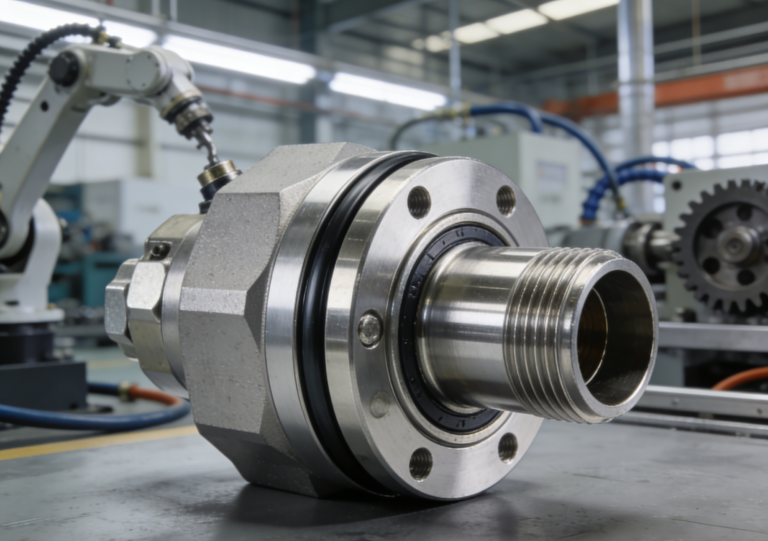
The combination of high rotational speeds, thermal expansion, and mechanical pipe tension places immense load on the internal bearings of a rotary joint.
-
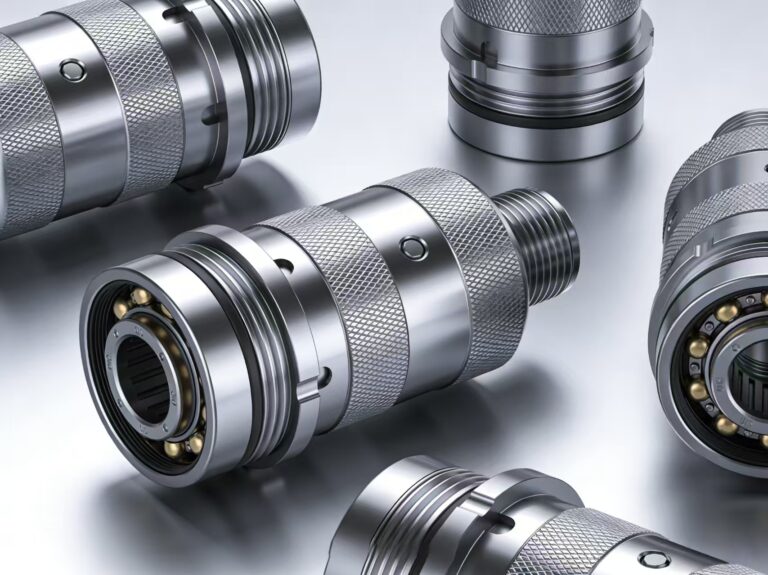
Reliable Support: Utilizing premium, precision-engineered SKF bearings inside the assembly ensures smooth, low-friction rotation and optimal radial load management.
-
Minimized Maintenance: High-grade bearings absorb dynamic misalignments and reduce operational torque, directly translating to extended maintenance intervals and maximum plant uptime.
Conclusion: Engineered Solutions for Maximum Uptime
Optimizing a corrugating line requires robust engineering tailored to exact thermal and structural parameters—including accurate weight specifications, corrosion-resistant stainless-steel construction, and dependable bearing choices.
To discuss customized dual-flow configurations, specialized stainless steel builds, or heavy-duty industrial components for your corrugating and packaging machinery, explore the engineering capabilities of Shandong Ruitus Mechanical Technology Co., Ltd. and Xuzhou Ruitus Import and Export Co., Ltd. Visit www.ruitus.com to consult directly with our technical team.