Overcoming Thermal Bottlenecks in Corrugator Rolls: Why Dual-Flow Rotary Joints Matter
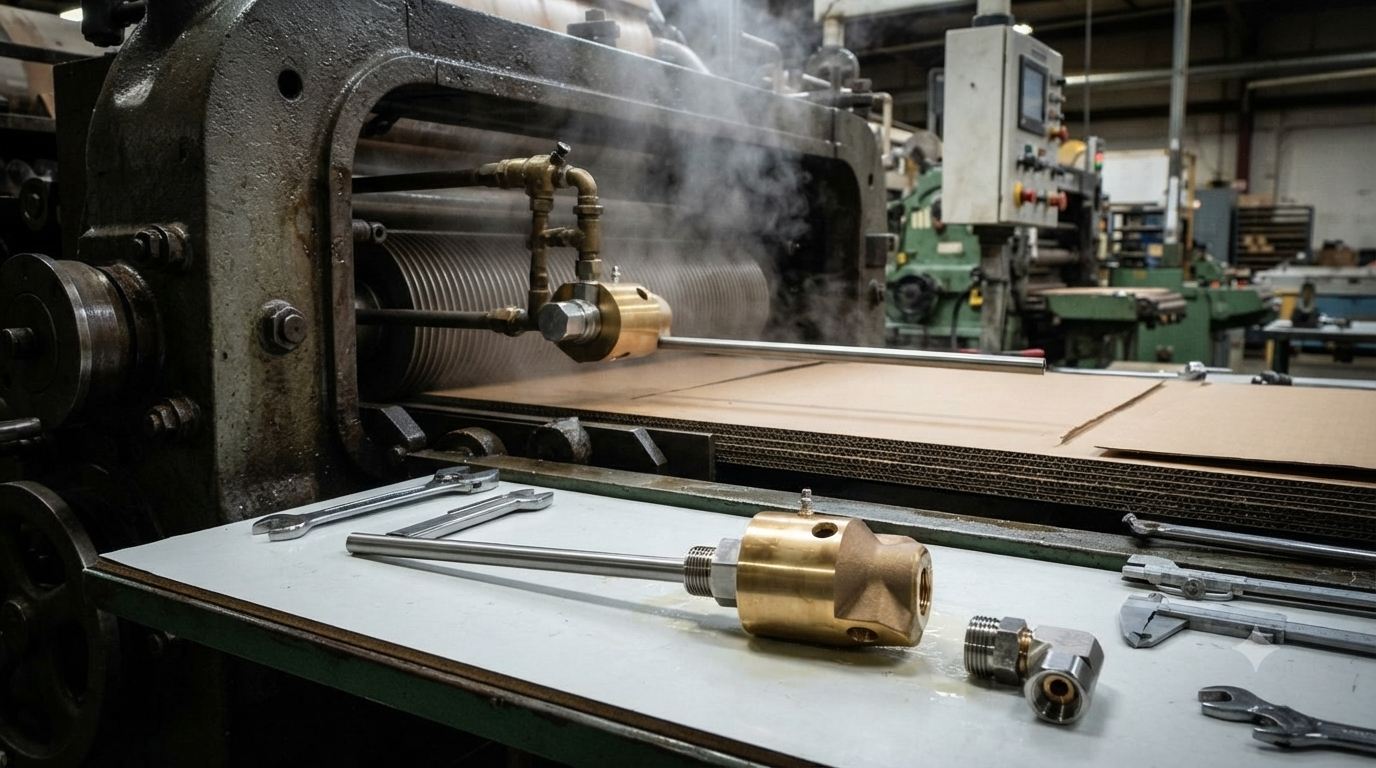
In high-speed corrugated board manufacturing, continuous $24/7$ production leaves zero room for thermal inconsistency or unexpected downtime. One of the most overlooked components determining plant efficiency is the steam rotary joint. When internal condensate fails to evacuate efficiently, it creates a thermal bottleneck that compromises starch gelation and board flatness.
Here is why upgrading to an engineered, corrosion-resistant configuration transforms operations:
-
Efficient Condensate Evacuation: Integrating precision internal syphons and bend assemblies ensures continuous fluid removal without pooling.
-
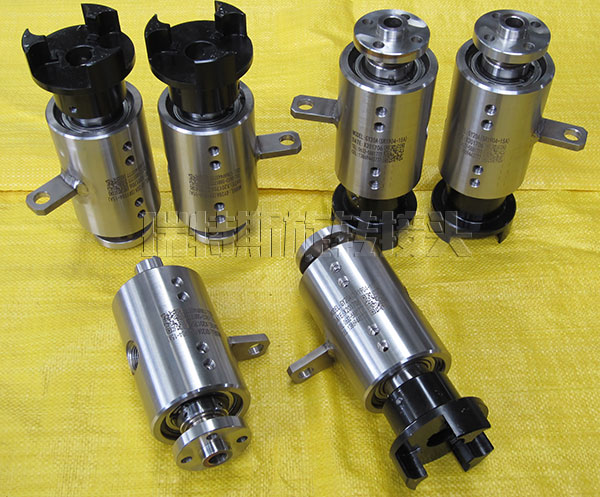
Material Durability: Utilizing high-grade $304$ or $316$ stainless steel wetted components resists scale, moisture, and high-temperature steam erosion.
-
Reliable High-Speed Rotation: Premium heavy-duty bearings, such as SKF options, absorb dynamic misalignments and reduce operational torque.
Optimizing fluid transmission isn’t just about fitting a standard size—it requires precision engineering tailored to your thermal dynamics.
How does your plant handle roll condensate management during peak loads? Let’s discuss in the comments!
#CorrugatedPackaging #ManufacturingExcellence #RotaryJoint #IndustrialEngineering #PackagingMachinery #Ruitus