How to Prevent Steam Leaks and Reduce Downtime in Corrugated Production Lines
Introduction
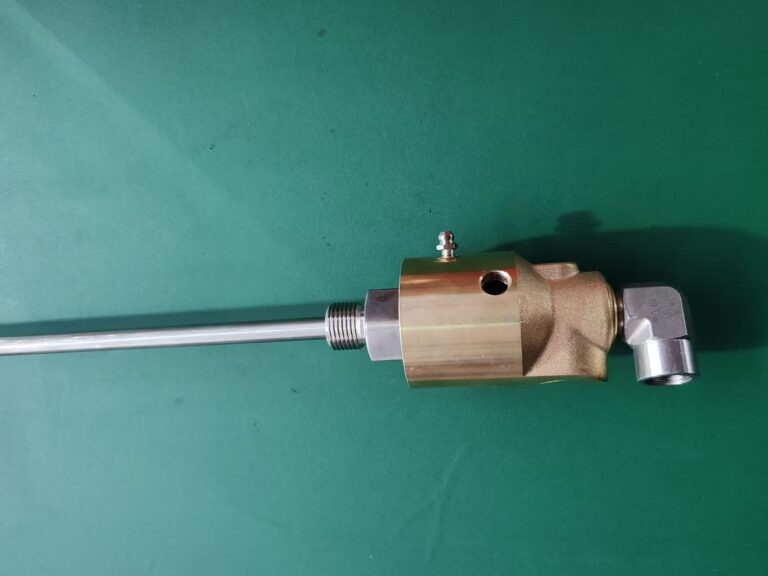
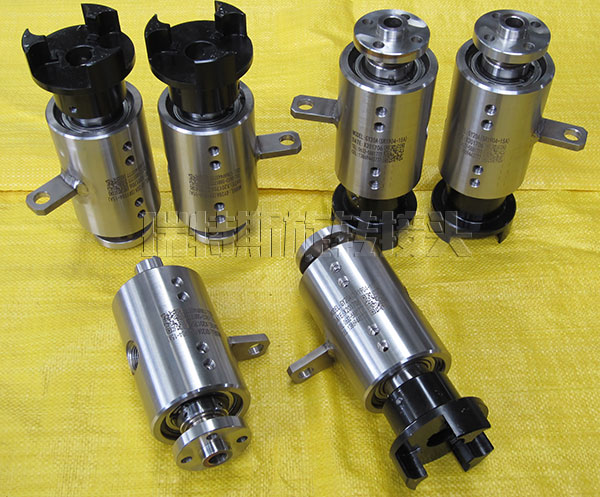
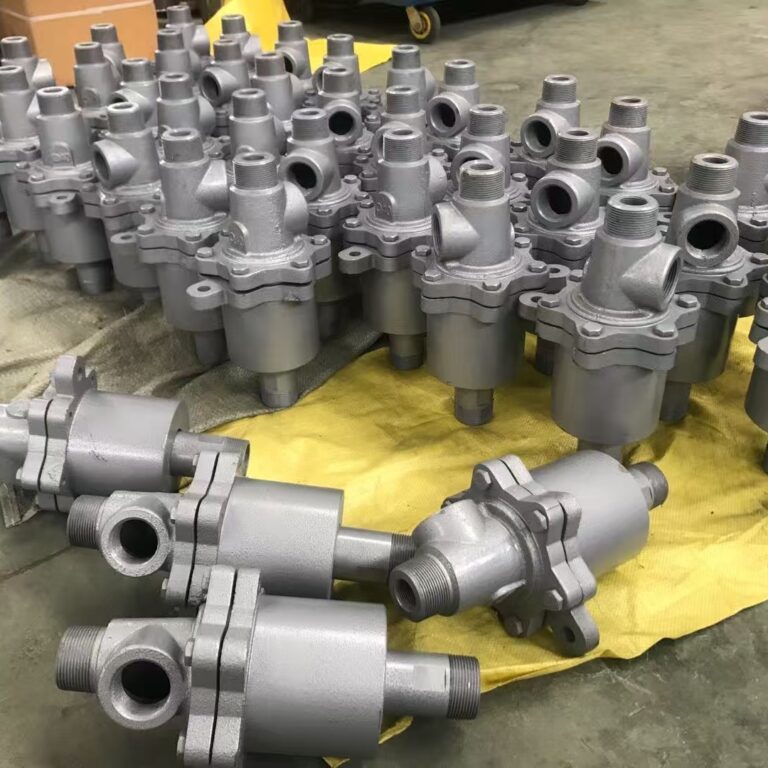
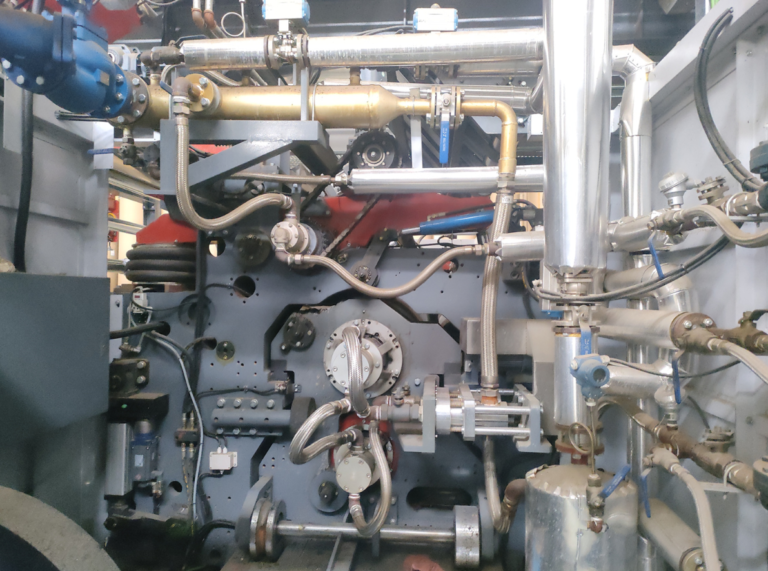
In the high-speed and demanding world of corrugated board manufacturing, operational efficiency is the ultimate key to profitability. Corrugator plants rely heavily on continuous heat transfer for the preheater, single facer, and glue unit. At the heart of this thermal system lies a critical component: the rotary joint.
When rotary joints fail, plant managers face a cascade of problems: unexpected production downtime, massive energy loss through steam leaks, and soaring maintenance budgets. This comprehensive guide explores why rotary joint failures happen and how modern corrugated plants can optimize performance while significantly cutting replacement costs.
1. The Hidden Costs of Rotary Joint Failures in Corrugator Plants
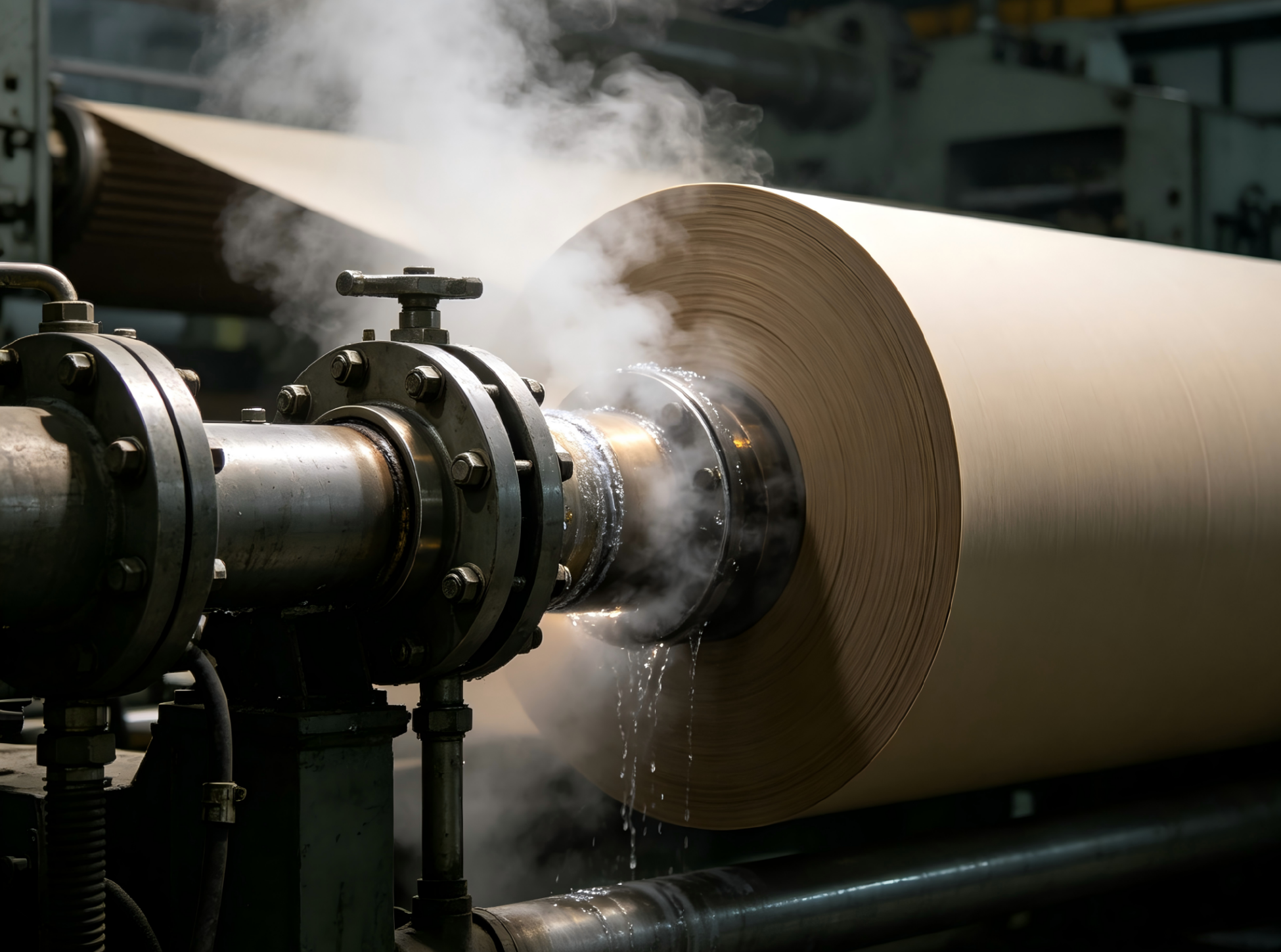
Steam and thermal oil rotary joints operate under extreme conditions—high rotational speeds, elevated pressures, and constant thermal shock. When a seal fails, the impact goes beyond a simple leak:
-
Thermal Efficiency Loss: Steam leakage drops the temperature of the corrugated rolls, leading to poor bonding, warping, and a high rate of defective corrugated boards.
-
Costly Unplanned Downtime: Replacing a worn-out rotary joint on a high-speed production line can halt operations for hours, disrupting strict delivery schedules.
-
Excessive OEM Parts Spending: Constantly purchasing expensive original equipment manufacturer (OEM) replacement parts inflates operational expenditure (OPEX).
2. Key Solutions for Enhanced Sealing and Durability
To minimize downtime and extend maintenance intervals, modern maintenance managers are adopting advanced sealing strategies:
-
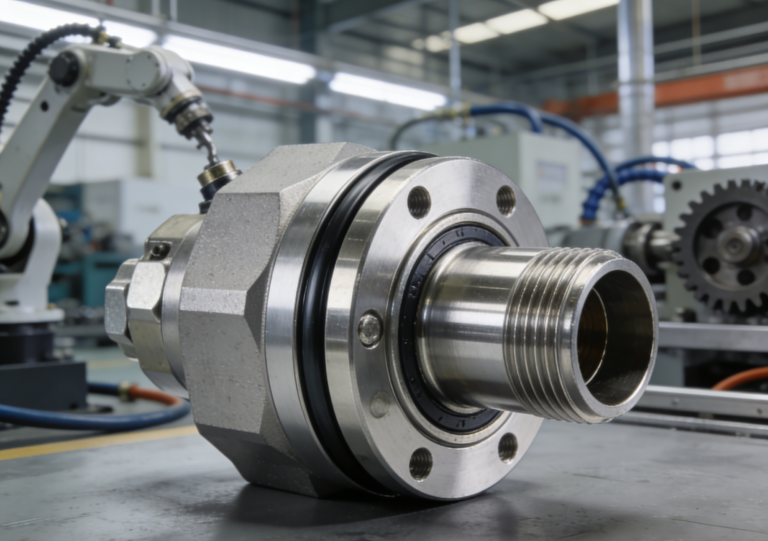
Advanced Mechanical Seals: Upgrading to balanced, wear-resistant mechanical seals—featuring high-grade carbon-graphite paired with silicon carbide—ensures superior resistance to thermal shock and abrasive wear.
-
Precise Media Compatibility: Ensuring that the internal components are chemically and thermally matched to the specific media (whether high-pressure steam, water, hot oil, or compressed air) prevents premature seal degradation.
-
Direct-Fit Interoperability: High-performance aftermarket rotary joints can match the exact form, fit, and function of major global brands (such as Deublin, Johnson-Flint, or Kadant) without the premium brand markup.
3. Frequently Asked Questions (FAQ)
Q1: How often should rotary joints on a corrugated single facer be inspected? A: It is recommended to conduct visual inspections for minor steam or condensate leaks weekly. Full internal seal inspections and preventive maintenance should align with scheduled plant shutdowns, typically every 6 to 12 months depending on operating speeds and pressure loads.
Q2: Can aftermarket rotary joints completely replace OEM parts without performance loss? A: Yes. Premium aftermarket rotary joints engineered with advanced wear-resistant sealing technology offer identical flow rates, pressure ratings, and dimensions to OEM parts, often lasting just as long while reducing costs by 50% or more.
Q3: What causes premature failure in high-pressure steam rotary joints? A: Common causes include poor water quality (scaling and impurities causing abrasive wear), pipe misalignment leading to side-loading stress, dry running, and thermal shock caused by sudden temperature spikes.
Conclusion
Optimizing your corrugated production line doesn’t require overspending on OEM components. By understanding the root causes of rotary joint failures, upgrading to advanced wear-resistant sealing systems, and partnering with reliable alternative manufacturers, corrugated plants can achieve continuous operation, lower energy waste, and drastically reduced maintenance costs.
Looking for high-performance rotary joints tailored for your corrugated machinery? Contact our engineering team today to request our latest product catalog and price list.