How to Select the Right Rotary Joint for High-Speed Packaging Machinery
Introduction: The Crucial Role of Fluid Transmission in Packaging Lines
Modern packaging and printing lines—ranging from high-speed film wrapping and corrugated board production to flexible packaging printing—operate under rigorous demands. These systems run on continuous 24/7 cycles, requiring rapid roller temperature adjustments for drying and cooling, high rotational speeds, and absolute leak prevention to avoid contaminating sensitive substrates like paper, plastics, and foils.
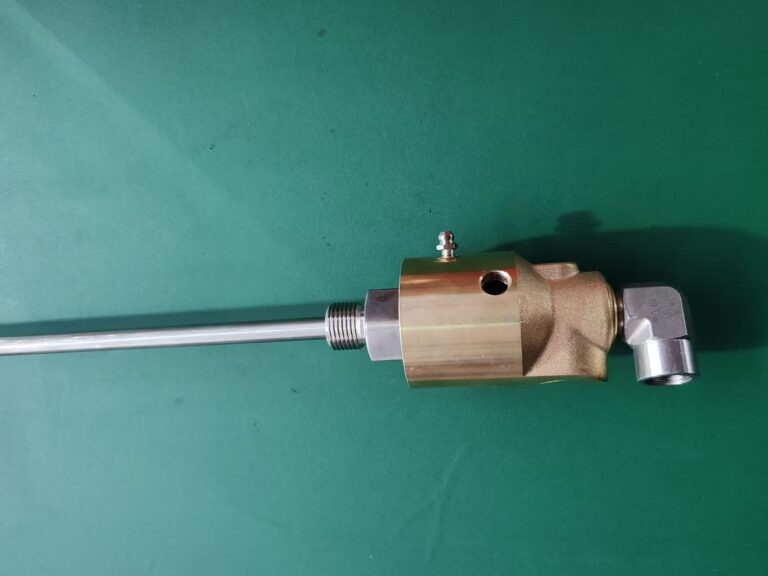
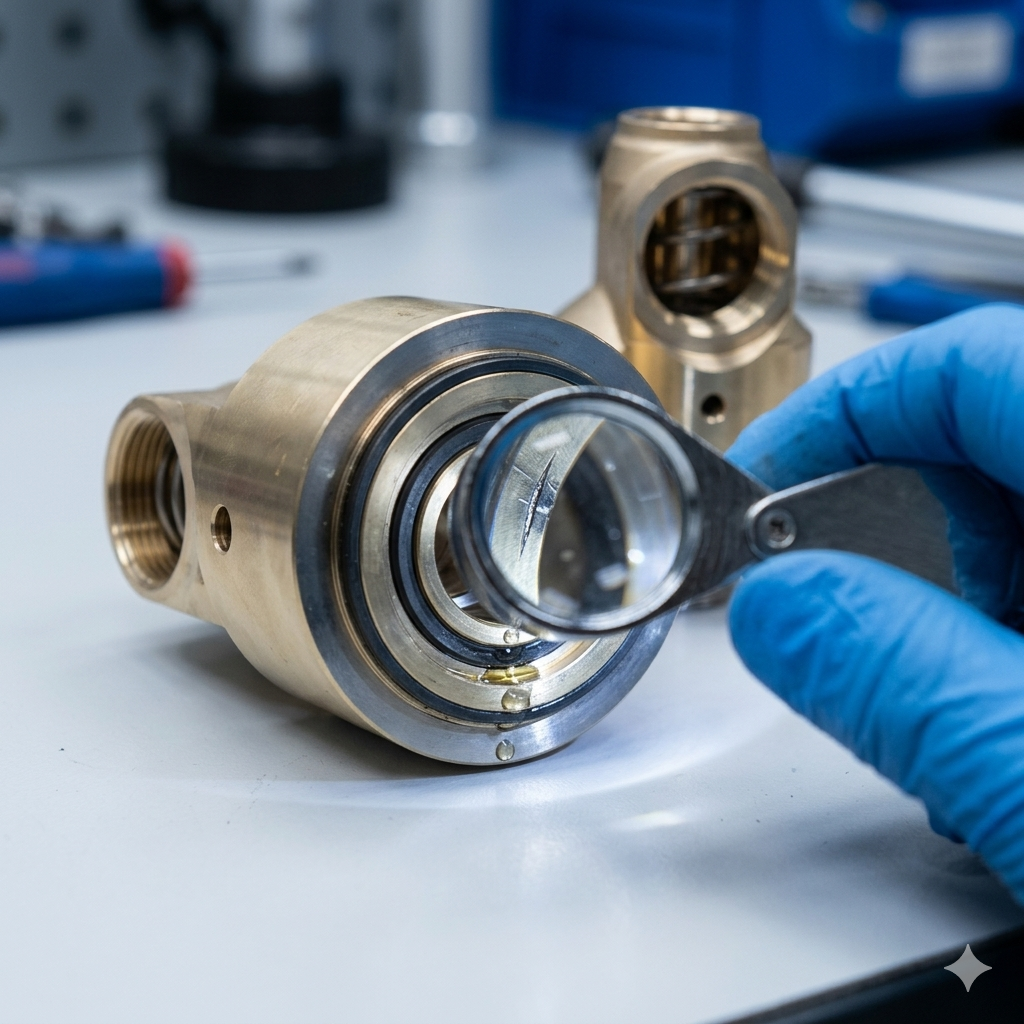
At the heart of these dynamic thermal systems is a critical component: the rotary joint for packaging machine applications (often referred to as a rotating union). Choosing the incorrect unit can lead to premature seal failure, thermal inconsistencies across the roller surface, and costly downtime.
This technical guide outlines the essential factors engineering and maintenance teams must consider when selecting a high-performance rotary joint.
1. Identify the Operating Media and Temperature Limits
The choice of a rotary joint for packaging machine operations begins with the specific heat-transfer or cooling medium involved:
-
Water and Steam Systems: Commonly used for heating drying cylinders or cooling chill rolls. Standard configurations generally handle operating temperatures up to $180\text{°C}$ and pressures up to $1.5\text{ MPa}$.
-
Thermal Oil Systems: Utilized when higher processing temperatures are required. These high-temperature applications demand specialized carbon-graphite seals and thermal-expansion allowances, often pushing operational limits past $250\text{°C}$.
Matching the media properties correctly prevents seal degradation and ensures consistent thermal transfer on the roller face.
2. Prioritize Balanced Mechanical Seals for High Speeds
High rotational speeds in modern laminating and printing machinery generate significant frictional heat at the sealing interface.
-
Reduced Face Loading: Opt for balanced mechanical seals specifically engineered to offset internal fluid pressure against the sealing faces.
-
Minimized Friction: This balance dramatically reduces wear, lowers torque requirements, and extends the operational lifecycle of the joint even at elevated RPMs.
3. Evaluate Dry-Running and Bearing Support Capabilities
Startup phases, quick cycle shifts, and temporary flow interruptions can subject internal components to momentary dry-running conditions.
-
Self-Lubricating Bearings: Selecting a rotary joint integrated with carbon-graphite or specialized impregnated bearings provides a vital safety buffer during dry startup phases.
-
Robust Load Handling: Ensure the internal bearing arrangement can support both radial and axial loads generated by high-speed misalignment or dynamic piping tension.
Conclusion: Custom Engineering for Specialized Packaging Lines
Selecting an optimal rotary joint for packaging machine setups requires more than matching a standard thread size—it demands a precise alignment of speed, pressure, temperature, and fluid dynamics.
For specialized industrial requirements, custom flange connections, or tailored fluid transmission configurations, explore the advanced manufacturing and global supply capabilities provided by Shandong Ruitus Mechanical Technology Co., Ltd. and Xuzhou Ruitus Import and Export Co., Ltd. Visit www.ruitus.com to consult with our engineering team for your next project.